


Growing online sales change what businesses need from their packaging. Products may leave as individual orders, travel through parcel networks, and arrive in combinations that differ from wholesale shipments.
For Canadian businesses expanding ecommerce operations, each packaging decision repeats across more orders. Unnecessary material, awkward assembly, and poor product fit can become recurring operational problems.
Lighter, smarter packaging addresses these pressures through deliberate design. The aim is to use materials effectively, protect the contents, and make the package practical to assemble, store, ship, and open.
Packaging protects products during delivery and affects shipping costs, packing work, and the customer’s receiving experience. As online orders grow, excess material and difficult assembly can create recurring costs across shipments.
Yes, when its materials and structure suit the product and expected handling conditions. A suitable corrugated carton may work with fitted cushioning or inserts. Weight reduction should still provide enough support to control movement and protect vulnerable areas.
Packaging suited to grouped deliveries may need review when products move individually. The outer carton and internal supports must suit the handling conditions of the selected shipping method.
Order variety also matters. A custom packaging solution for a large product may leave too much space around a smaller item. Bundled orders can require different support and separation.
Review common order combinations alongside product dimensions, weight, and fragility. These details provide a stronger starting point than selecting packaging from the available stock alone.
Reducing unnecessary carton space can create opportunities to use less board and void fill. Fitted inserts or corrugated partitions may also help position products without repeatedly adding loose material.
Weight reduction should preserve the structure needed for handling and stacking. Some products still require substantial cushioning, reinforcement, or clearance.
Package dimensions also influence shipping charges where dimensional weight applies. Removing material while keeping an oversized outer carton may leave those charges unchanged. Compare the complete packed configurations before treating lighter packaging as a freight saving.
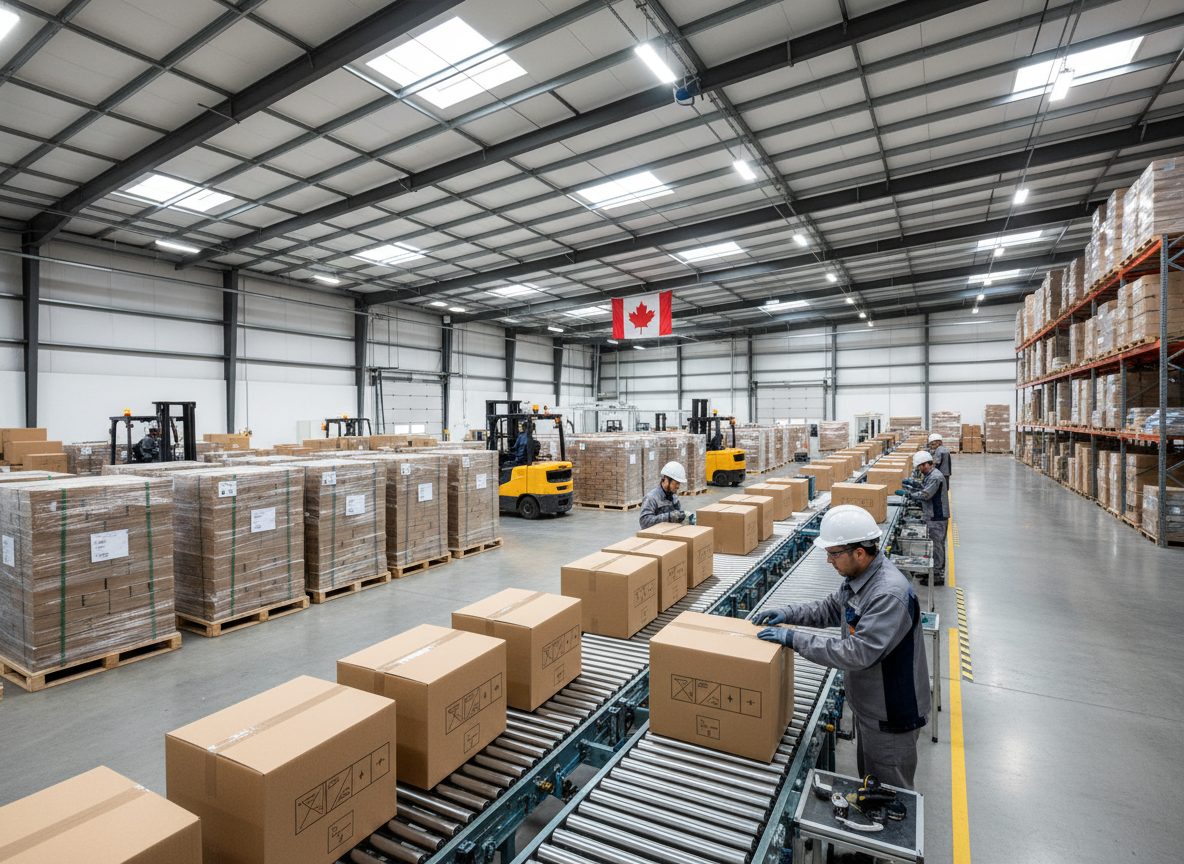
As orders increase, repeated packing steps deserve closer attention. Folding complicated inserts, searching for suitable cartons, or adjusting loose fill can make the packing process harder to manage.
A packaging review should examine how staff assemble, load, secure, and close each package. Clear product positioning and suitable internal supports can help make the process more consistent.
Related products may share a packaging design where their dimensions and protection requirements allow it. Reviewing product groups can help balance fit with the practical demands of stocking and selecting cartons.
Assess material reductions alongside damage exposure. A design that removes essential support may create costs through returns, replacement shipments, inspection, and repacking.
Review damaged products and cartons for recurring patterns. Scuffed surfaces, crushed corners, and displaced components can help identify where further assessment is needed.
Sample evaluation should cover fit, closure, assembly, and support under expected handling conditions. Appropriate transport testing may also be needed before adopting a revised design. Packing team observations and shipment feedback help determine whether changes work beyond the design stage.
Growing ecommerce activity also changes how packaging inventory is managed. More order variations can create demand for different cartons, inserts, and protective components.
A suitable design has limited value when the required packaging is unavailable. Forecasting usage, planning replenishment, and coordinating storage should form part of the packaging discussion. Track which specifications staff actually use so purchasing decisions reflect the changing order mix.
Coleman Containers offers inventory management, warehousing, and just-in-time delivery support. These services can help businesses coordinate packaging availability with operating requirements. The arrangement should reflect actual usage, storage capacity, and delivery needs.
A practical review connects product protection with material use, packing effort, freight requirements, and inventory planning. Consider the package through assembly, transportation, customer opening, and any planned return process.
The guide to right-sized packaging for Canadian businesses provides a broader framework for evaluating these connected decisions.
Coleman Containers designs and manufactures custom protective packaging, including corrugated structures and supporting materials. Depending on the application, solutions may include foam or fibre inserts, honeycomb support, and edge protection.
Contact Coleman Containers to discuss packaging that supports growing online operations while protecting products.
Observe how staff select, assemble, fill, and close packages. Repeated insert adjustments, excessive void fill, and frequent carton substitutions can indicate problems. Include packing team feedback when reviewing designs, while maintaining the protection each product requires.
Yes. Coleman Containers offers inventory management, warehousing, and just-in-time delivery support, along with custom packaging design. Businesses can discuss product mix, usage forecasts, and storage constraints to plan suitable packaging and replenishment arrangements.

Get Free Estimate!

