



Product damage, rising freight costs, and supply chain disruptions often have a common source: ineffective packaging. Many businesses invest heavily in manufacturing, inventory management, and logistics while overlooking the impact packaging has on overall operational performance. When packaging is poorly designed or inconsistent, companies may experience avoidable damage claims, excess material usage, storage inefficiencies, and costly delays.
These challenges matter because packaging influences every stage of a product’s journey. Corrugated boxes must protect products, support handling requirements, and fit seamlessly into distribution processes. Packaging companies help address these concerns by developing custom corrugated solutions that align with operational needs, product specifications, and supply chain objectives.
Choosing the right supplier requires more than comparing pricing. Businesses benefit from evaluating packaging capabilities, quality processes, and long-term support before making a decision.
Packaging companies improve supply chain efficiency by designing corrugated packaging that supports product protection, pallet optimization, storage efficiency, and transportation performance while reducing material waste.
Businesses should evaluate quality control processes, custom design capabilities, production consistency, lead time communication, inventory support programs, and long-term supply reliability.
Packaging companies design, manufacture, and supply packaging solutions that protect products during storage, handling, and transportation. Custom corrugated packaging providers help businesses improve product protection, shipping efficiency, inventory management, and supply chain consistency.
The most effective solutions are developed around product requirements rather than relying on standard box dimensions alone.
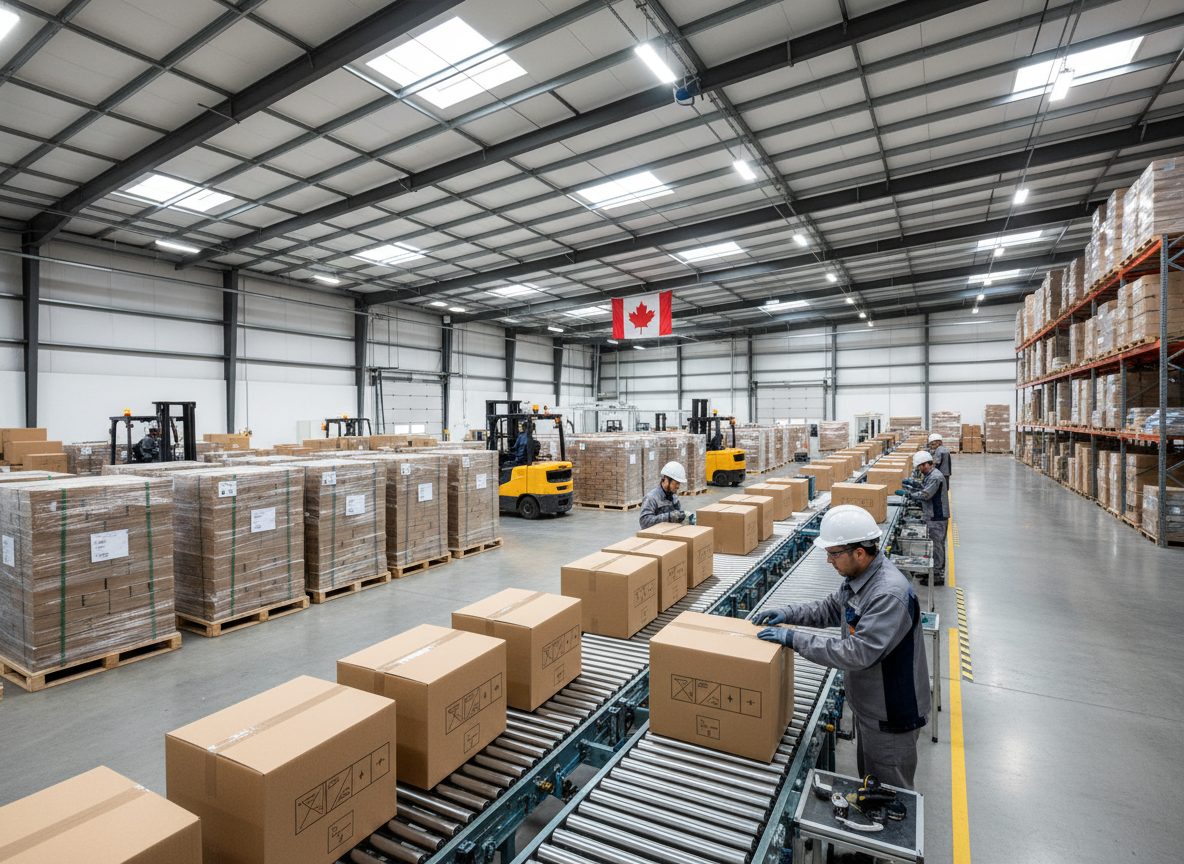
Packaging performance directly affects logistics efficiency. Corrugated packaging must balance protection, space utilization, handling requirements, and material usage.
Packaging companies often begin by evaluating:
Oversized packaging can create unnecessary movement during transit and increase freight costs. Undersized packaging may expose products to damage. Custom corrugated solutions help businesses optimize packaging dimensions while maintaining protection.
Structural design also influences operational performance. Board grade, flute profiles, inserts, and closure methods all contribute to a package’s performance throughout the supply chain.
Supporting Product Protection and Transportation
Transportation exposes products to vibration, compression, stacking pressure, and repeated handling. Packaging companies address these risks through engineered box designs that support product stability.
Corrugated packaging may include:
These design choices help reduce damage rates while supporting efficient movement through warehouses and distribution networks.
Improving Freight and Storage Utilization
Packaging design affects how products fit on pallets, within storage facilities, and inside transportation equipment.
Well-designed corrugated packaging can help:
Small dimensional improvements often create measurable savings across large shipment volumes.
Supplier evaluation should extend beyond unit pricing. Businesses benefit from reviewing how packaging companies in Toronto manage quality, consistency, and specification control.
Important evaluation criteria include:
Quality Management Processes
Reliable packaging manufacturers maintain documented production controls and inspection procedures. Consistent manufacturing helps ensure packaging performs the same way across repeat orders.
Areas to evaluate include:
Custom Design Capabilities
Custom packaging requirements vary significantly between industries. Medical equipment, pharmaceuticals, nutraceuticals, consumer goods, and automotive products often require unique packaging considerations.
A packaging supplier should be capable of developing solutions tailored to specific handling, protection, and operational requirements, rather than relying solely on standard packaging formats.
Communication and Supply Planning
Packaging availability affects production schedules and inventory management. Businesses should assess:
Strong communication helps reduce disruptions and supports a more predictable packaging supply.
Coleman Containers works with businesses that require custom corrugated packaging solutions designed around operational realities. Packaging requirements often extend beyond product dimensions and include transportation conditions, storage constraints, inventory planning, and handling procedures.
By aligning packaging design with supply chain requirements, businesses can improve product protection, reduce material waste, and support consistent operational performance.
Custom corrugated packaging is most effective when design decisions are made proactively rather than after issues emerge. Early collaboration allows packaging specifications to reflect real-world operating conditions and long-term business objectives.
Also Read:
Choosing Between New and Recycled Wooden Box Pallets
The Connection Between Packaging and Premium Product Appeal
How Logistics Hubs Vet Companies That Provide Honeycomb Structures for Protective Packaging
Selecting a packaging supplier involves more than purchasing boxes. Packaging companies play an important role in product protection, logistics efficiency, inventory management, and operational continuity.
Businesses evaluating custom corrugated solutions should consider design expertise, quality controls, communication practices, and long-term supply support alongside pricing. A structured approach helps reduce risk while supporting more efficient packaging operations.
To learn more about custom corrugated packaging solutions designed around operational requirements, contact Coleman Containers.

Get Free Estimate!
