

Distribution networks across Ontario continue facing pressure to reduce freight damage, improve sustainability performance, and optimize shipping efficiency. Traditional protective materials such as wood bracing and expanded polystyrene often increase shipment weight while creating disposal challenges. As transportation requirements become more demanding, logistics hubs are evaluating lighter and more recyclable alternatives that provide reliable protection.
Many procurement teams are now assessing which companies provide honeycomb structures for protective packaging as part of broader efforts to improve handling performance and reduce transportation inefficiencies.
Automotive, electronics, and industrial manufacturing operations frequently ship products subject to strict shock-absorption and stacking requirements. Heavy components moving across regional freight networks require protective materials that distribute pressure while minimizing excess packaging weight.
Ontario supply chains are also shifting toward sustainable kraft paper alternatives that align with corporate environmental goals. Honeycomb packaging structures help support this transition by providing lightweight protection using recyclable paper-based materials.
Compared with expanded polystyrene and wood packaging, honeycomb structures can significantly reduce overall shipment weight. This improves handling efficiency while helping lower freight-related transportation costs across regional distribution networks.
Selecting a packaging supplier requires more than reviewing product specifications. Logistics hubs often conduct detailed operational audits before approving a manufacturer for long-term supply agreements.
Assessing Quality Management and Certifications
Procurement teams typically review document control procedures and batch manufacturing records during supplier evaluations. These audits help confirm consistency in production and traceability across packaging orders.
Manufacturers supplying honeycomb protective packaging may also need to demonstrate compliance with recognized international quality management standards. Consistent manufacturing controls help reduce variability across high-volume packaging programs.
Evaluating Production and Warehouse Controls
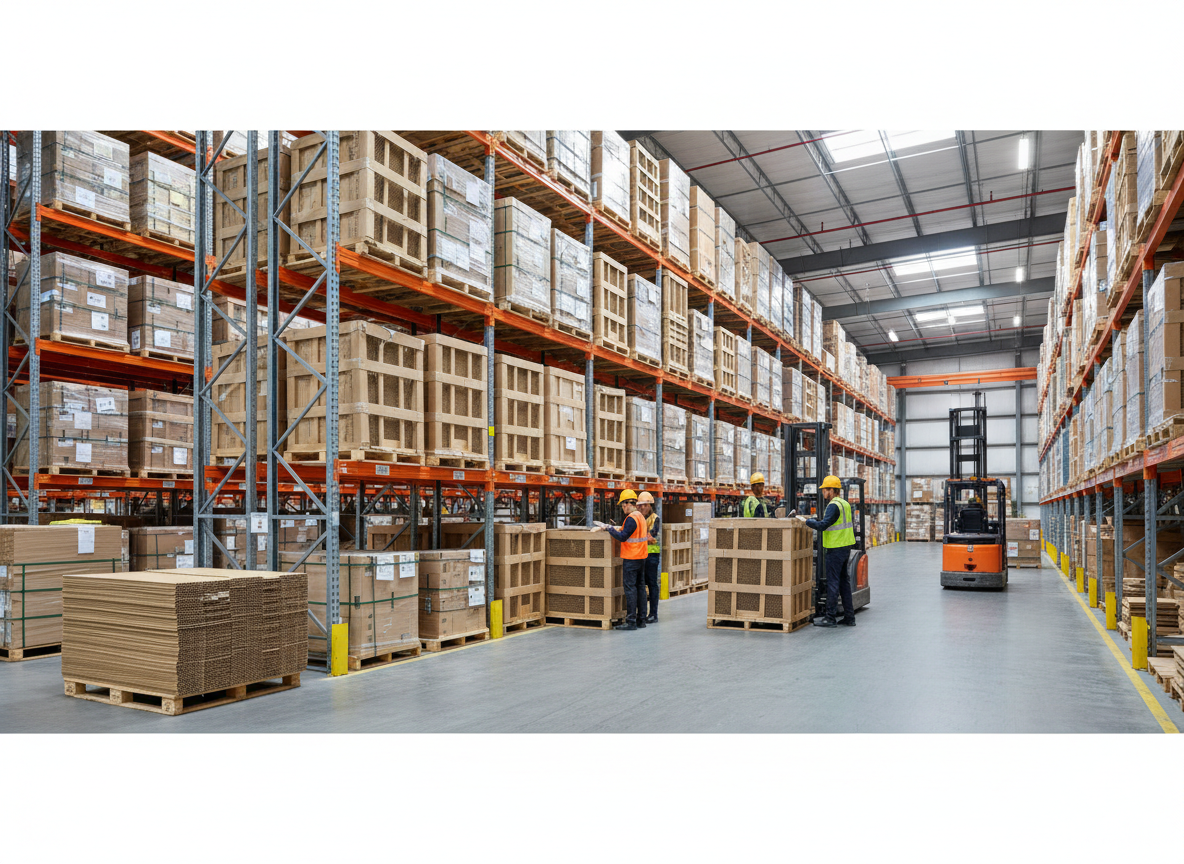
Warehouse procedures also play a major role during vendor assessments. Procurement teams often review:
These operational controls help ensure reliable order fulfilment and consistent packaging throughout the supply chain.
Protective packaging performance depends heavily on transportation conditions. Logistics hubs often require testing processes that reflect actual shipping environments.
Simulating Distribution Hazards
Testing programs frequently evaluate:
These evaluations help determine whether honeycomb structures can maintain protective performance throughout regional transit conditions.
Matching Assurance Levels to Transit Routes
Testing requirements may also vary depending on shipping lanes, rail switching conditions, and truckload distribution routes. Procurement teams often request documented test reports that support regulatory compliance and transportation validation requirements.
Defensible testing documentation helps logistics hubs reduce risk when shipping high-value industrial or electronic components.
Regional manufacturing proximity continues to become more important for Ontario distribution operations.
Leveraging Just-In-Time Delivery Networks
Many logistics hubs now prioritize suppliers capable of supporting just-in-time delivery schedules. Regional manufacturers often provide shorter lead times and more consistent replenishment support through self-managed transportation networks.
Working with provincial suppliers may also help reduce delays associated with cross-border freight movement and customs processing.
Securing Regional Packaging Supply
Procurement strategies increasingly favour localized vendor networks that improve supply continuity and operational responsiveness. Manufacturers with decades of regional production experience often provide stronger familiarity with provincial transportation requirements and industrial distribution expectations.
Corporate environmental and governance initiatives continue influencing procurement decisions across industrial sectors. Honeycomb packaging structures support these goals through recyclable and biodegradable paper-based construction.
Compared with traditional plastic-based protective materials, honeycomb structures may help organizations advance toward waste-reduction and sustainability targets while maintaining structural packaging performance.
Complete recyclability also supports modern recovery programs across commercial and industrial facilities.
Also Read:
Choosing Between New and Recycled Wooden Box Pallets
Why Better Ecommerce Packaging Leads to Fewer Product Returns
How Packaging Companies Simplify the Choice Between Flight and Road Cases
Selecting a protective packaging supplier involves balancing engineering capability, manufacturing consistency, logistics support, and regional accessibility. Logistics hubs often prioritize manufacturers capable of providing technical guidance alongside reliable production capacity.
For organizations evaluating companies that provide honeycomb structures for protective packaging, regional manufacturing experience and documented quality controls remain important considerations throughout the vendor selection process.
Contact Coleman Containers to evaluate honeycomb protective packaging solutions designed for industrial transportation and regional distribution requirements.
Get Free Estimate!