

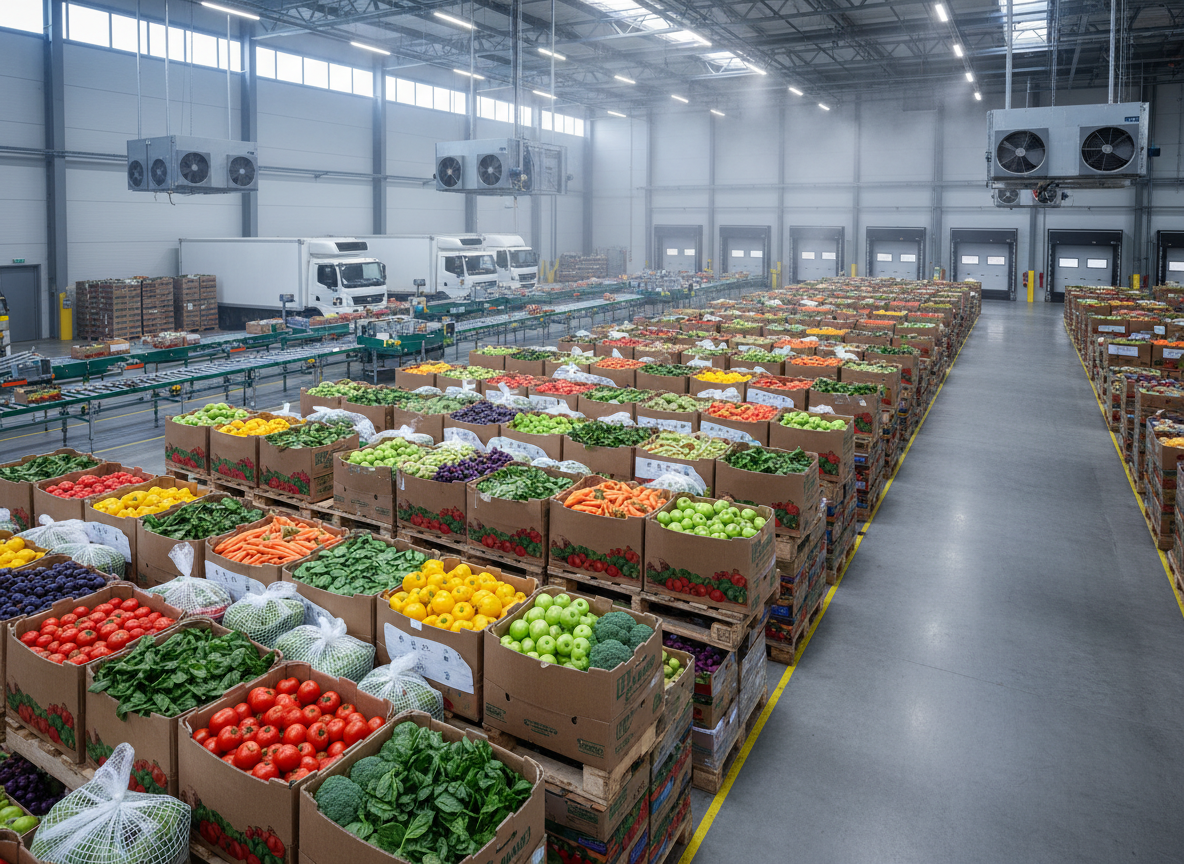
Retail spoilage often begins long before products reach store shelves. Moisture buildup, temperature fluctuations, and poor airflow inside packaging can accelerate decay during transportation and storage. These issues increase product waste, shorten shelf life, and raise operational costs across produce supply chains.
Produce packaging plays a critical role in managing these conditions. Well-engineered corrugated packaging helps regulate airflow, control condensation, and protect product integrity throughout distribution. Businesses relying on these packaging supplies must evaluate performance based on moisture resistance, durability, and logistics efficiency.
People Also Ask
Moisture buildup often occurs when temperature fluctuations create condensation during transportation and storage. Poor airflow inside packaging can increase humidity and accelerate spoilage.
Corrugated produce packaging helps improve airflow, maintain structural strength, and reduce condensation buildup during transit. These factors support product freshness and transportation stability.
Fresh produce continues to respire after harvest. This process releases heat and moisture inside the packaging. When humidity levels rise during transit, condensation can form inside boxes and lidding films. Excess moisture contributes to microbial growth, surface decay, and product deterioration.
Temperature changes during transportation can worsen these conditions. Packaging that lacks proper ventilation or structural airflow may trap moisture and reduce shelf stability.
Effective produce packaging helps:
Corrugated packaging supports moisture control through both structure and material selection. Packaging design directly affects airflow, stacking strength, and humidity management during transportation.
Moisture-Resistant Corrugated Materials
High-humidity environments can weaken standard corrugated materials over time. Moisture-resistant coatings help maintain box strength throughout refrigerated distribution cycles while supporting recyclability requirements.
Corrugated packaging designed with airflow channels can also improve ventilation inside stacked loads. This helps reduce trapped humidity during storage and transportation.
Structural Strength During Transit
Produce packaging must maintain compression strength under stacked shipping conditions. Edge crush test ratings help determine how well corrugated boxes withstand vertical load pressure during transit.
Stronger structures help:
Different produce categories require different packaging conditions. Packaging designed for root vegetables may not perform effectively for delicate berries or leafy greens.
Commodity-specific packaging solutions help align airflow, moisture resistance, and structural performance with transportation requirements.
For example:
Packaging design decisions directly influence spoilage rates and transportation efficiency.
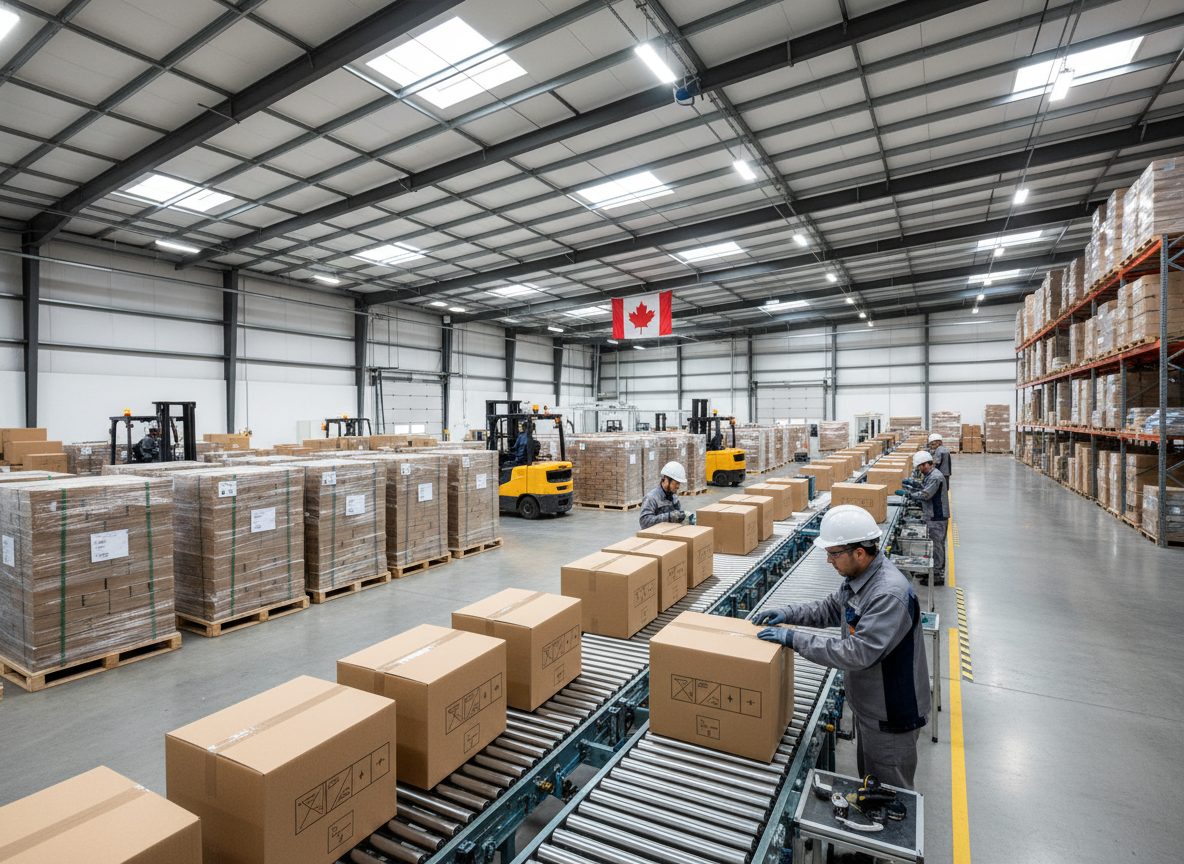
All produce packaging supplies in Canada also affect logistics and operational performance. Oversized or poorly ventilated packaging can increase transportation inefficiencies and handling challenges.
Well-designed corrugated produce packaging can support:
These operational improvements contribute to lower long-term packaging and transportation costs.
Supplier evaluation often extends beyond box pricing alone. Produce operations typically assess packaging suppliers based on:
Businesses managing large-scale produce distribution also benefit from suppliers that can support recurring orders and customized corrugated solutions.
Also Read:
Why Choose Coleman Containers for Your Packaging?
Things to Know About Customizing the Packaging of Your Products
Moisture control remains one of the most important factors in reducing retail spoilage throughout produce supply chains. Corrugated packaging designed for airflow, humidity resistance, and structural durability helps support product quality during transportation and storage.
Businesses evaluating produce packaging supplies Canada-wide often prioritize packaging solutions that improve logistics performance while helping reduce spoilage-related losses.
Contact Coleman Containers for quality produce packaging solutions that ensure reliable transportation, moisture control, and supply chain efficiency.
Get Free Estimate!