


This guide covers food and beverage packing operations that place sealed products into outer cases. Flat cases require forming before filling. The assembly and closure steps depend on the case design and packing process. Review whether case forming contributes to delays at manual stations or automated packaging lines.
What Is a Pre Assembled Carton?
A pre assembled carton is a corrugated case that arrives formed for filling. Confirm which assembly and closure steps are completed before delivery.
Do Pre Assembled Cartons Work With Automated Packaging Lines?
They can, where the line feeds formed cases. Compatibility depends on case dimensions, style, and the infeed method, so confirm requirements with the equipment supplier.
Is a Pre Assembled Carton Better Than a Case Erector?
It depends on the operation. Compare the options against production volume, case variety, available space, staffing, and equipment requirements.
Pre assembled cartons move case forming upstream of the packing line. This guide explains why food packers consider them, how they may fit alongside automated equipment, and what to confirm before switching. The scope is outer cases used for storage and transportation, not packaging that touches food.
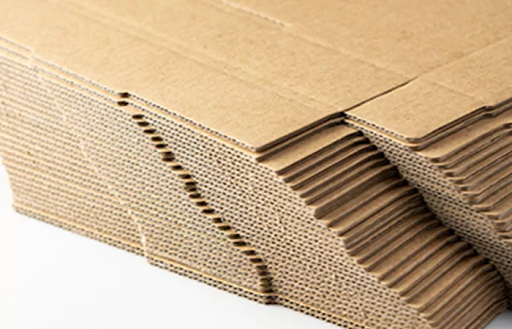
Flat cases need a forming step before they can hold product. Pre assembled cartons arrive formed, so that step happens before delivery rather than at the line.
Moving case forming upstream changes the work required at the packing line. Assess the effect on workflow and floor space alongside storage requirements, since formed cases occupy more volume than flat stock.
Confirm receiving, storage, inspection, and line feeding requirements before introducing formed cases. Discuss delivery schedules and inventory arrangements with Coleman Containers before ordering.
Preparing flat cases involves assembly work that depends on the case design and closure method. On a busy line, that work sits alongside filling, sealing, and palletizing finished goods.
A case erector automates case forming. Assess equipment investment against the operation’s production requirements, staffing, case variety, and costs.
Pre assembled cartons offer another route where adding equipment is not the preferred option. Coleman Containers offers kitting and assembly solutions, including hand assembly of corrugated boxes. Discuss the required assembly scope and case specifications with Coleman Containers. Confirm whether the proposed supply arrangement suits the existing line.
A case that is out of square can affect how it moves through sealers, conveyors, and palletizers. Squareness matters wherever cases pass through downstream equipment such as tapers or labellers.
Confirm squareness tolerances and assembly checks with the supplier. Trial assembled cases through the relevant packing equipment before committing to a full changeover.
Fit starts with the design. Clear corrugated case specifications (inside dimensions, board grade, flute, case style, and closure method) help communicate the case requirements to the manufacturer. Confirm any additional specifications with the supplier. Review case dimensions, product arrangement, and any inserts against the intended handling and transport conditions. For related guidance, see our guide to right sized packaging for Canadian businesses.
Review packing line capacity and case supply when planning for peak production. Seasonal demand, promotions, and large retail orders can bring longer runs and tighter deadlines.
A case that is not formed correctly may not protect the containers inside it. Review assembly checks and staffing arrangements when planning for peak production. Investigate forming defects and assess affected cases before use.
Agree delivery schedules and contingency arrangements with the supplier when planning for changes in demand. Leaving this until volume rises gives less room to adjust case supply when it matters most.
If seasonal or temporary staff join the packing operation, confirm the training required for their assigned tasks.
When cases arrive formed, the tasks at the line change. Define the receiving, inspection, loading, and sealing tasks staff must perform. Confirm training requirements for the revised process before the first seasonal shift begins.
Compare pre assembled supply with case erecting equipment against the operation’s production, space, staffing, and cost requirements. Contact Coleman Containers to review current case specifications and discuss whether pre assembled cartons suit the packing line.
Yes. Formed cases occupy more volume than flat stock, so plan storage space and delivery schedules before switching.
Typically inside dimensions, board grade, flute, case style, closure method, and any partitions or inserts the product requires.
Discuss partition requirements with the supplier and confirm whether installation before delivery is available for the proposed case design.
This article covers outer cases for products already enclosed in primary packaging. Confirm suitability for the intended use with the supplier.
Assess a case erector against production volume, case variety, available space, staffing, and total operating costs.

Get Free Estimate!