


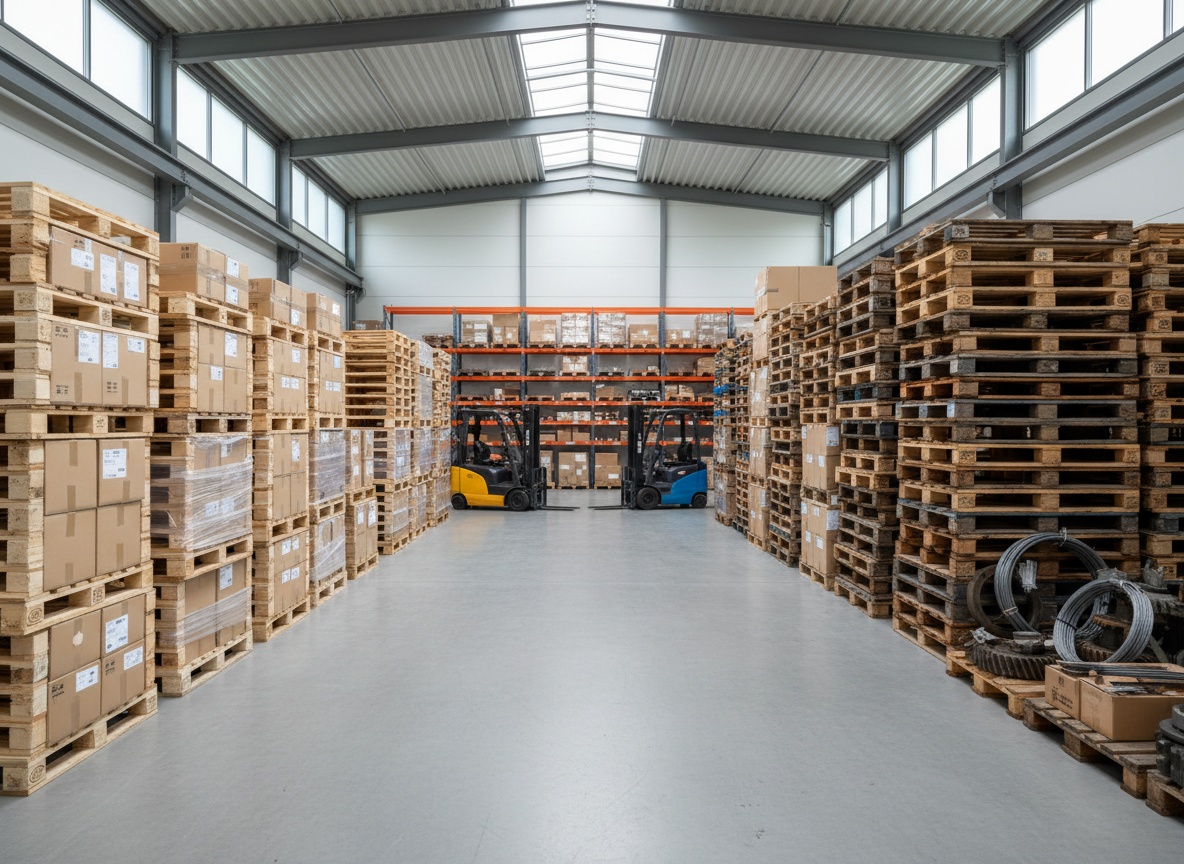
A damaged shipment often reveals a problem that started long before the products left the warehouse. Many businesses focus on packaging materials and transportation methods, but overlook the role pallets play in protecting goods throughout the supply chain. When pallets fail, products can become unstable, handling becomes more difficult, and operational costs can rise unexpectedly.
These challenges matter because efficient logistics depend on reliable load support. The wrong pallet choice can contribute to product damage, storage inefficiencies, and higher replacement expenses. As businesses seek ways to improve supply chain performance while managing costs, selecting the right pallet solution becomes increasingly important.
Understanding the differences between new and recycled wooden box pallets helps procurement teams make informed decisions. These decisions are based on product requirements, handling conditions, and long-term operational goals.
Businesses typically evaluate factors such as product weight, shipping conditions, budget, sustainability goals, and expected pallet lifespan when choosing between new and recycled wooden box pallets.
Yes, properly inspected and repaired recycled wooden pallets can provide dependable performance for many industrial storage and transportation applications while supporting cost savings and sustainability efforts.
Wooden box pallets provide a stable platform for transporting and storing products across a wide range of industries. They help improve handling efficiency, support load distribution, and reduce the risk of product movement during transit.
Businesses commonly use wooden pallets for:
The decision between new and recycled pallets often depends on balancing durability, cost, and performance requirements.
New wooden box pallets offer consistency in construction and appearance. Since they are manufactured using unused lumber, businesses can expect uniform dimensions and predictable performance.
Benefits of new pallets include:
Greater Structural Consistency
New pallets are built to specific design standards. This consistency supports automated handling systems and helps reduce variability during loading and unloading.
Improved Load Capacity
For heavier products or sensitive equipment, new pallets may provide additional strength and stability. This can be particularly valuable in industries where packaging integrity directly affects product quality.
Longer Service Life
Because they have not been exposed to previous handling conditions, new pallets often remain in circulation longer before requiring repairs or replacement.
Cleaner Appearance
Many businesses prefer new pallets when product presentation is important. A clean, uniform pallet can contribute to a more professional appearance throughout the supply chain.
Recycled pallets continue to play an important role in modern logistics operations. Many organizations choose recycled options because they offer practical and environmental advantages.
Key benefits include:
Lower Initial Costs
Recycled pallets generally cost less than new alternatives. For businesses managing large shipping volumes, these savings can become significant over time.
Sustainability Support
Reusing pallets helps extend material life and reduce demand for new lumber. Many organizations include pallet reuse as part of broader sustainability initiatives.
Reliable Performance for Many Applications
Properly inspected and repaired recycled pallets can perform effectively in a wide range of shipping and storage environments.
Reduced Material Waste
Recycling programs help divert usable wood from disposal streams while maximizing the value of existing materials.
The right choice depends on operational requirements rather than price alone.
Consider the following factors:
Businesses handling heavy industrial products may prioritize the strength and consistency of new pallets. While organizations focused on cost management and environmental goals may find recycled pallets more suitable.
Effective wooden pallet packaging extends beyond the pallet itself. Packaging design, load stability, and handling procedures all influence transportation performance.
Well-designed pallet systems can help:
When pallets and packaging work together as an integrated solution, businesses often experience stronger operational outcomes throughout the supply chain.
Also Read:
Why Better Ecommerce Packaging Leads to Fewer Product Returns
The Connection Between Packaging and Premium Product Appeal
How Packaging Companies Simplify the Choice Between Flight and Road Cases
Both new and recycled wooden box pallets offer advantages depending on business priorities. The most effective decision considers product protection, handling requirements, sustainability goals, and overall supply chain performance.
Working with experienced wooden pallet manufacturers can help businesses evaluate available options and select solutions that align with specific operational needs while supporting long-term efficiency and reliability.
Contact Coleman Containers for pallet and packaging solutions that support efficient handling, storage, and transportation throughout the supply chain.

Get Free Estimate!

