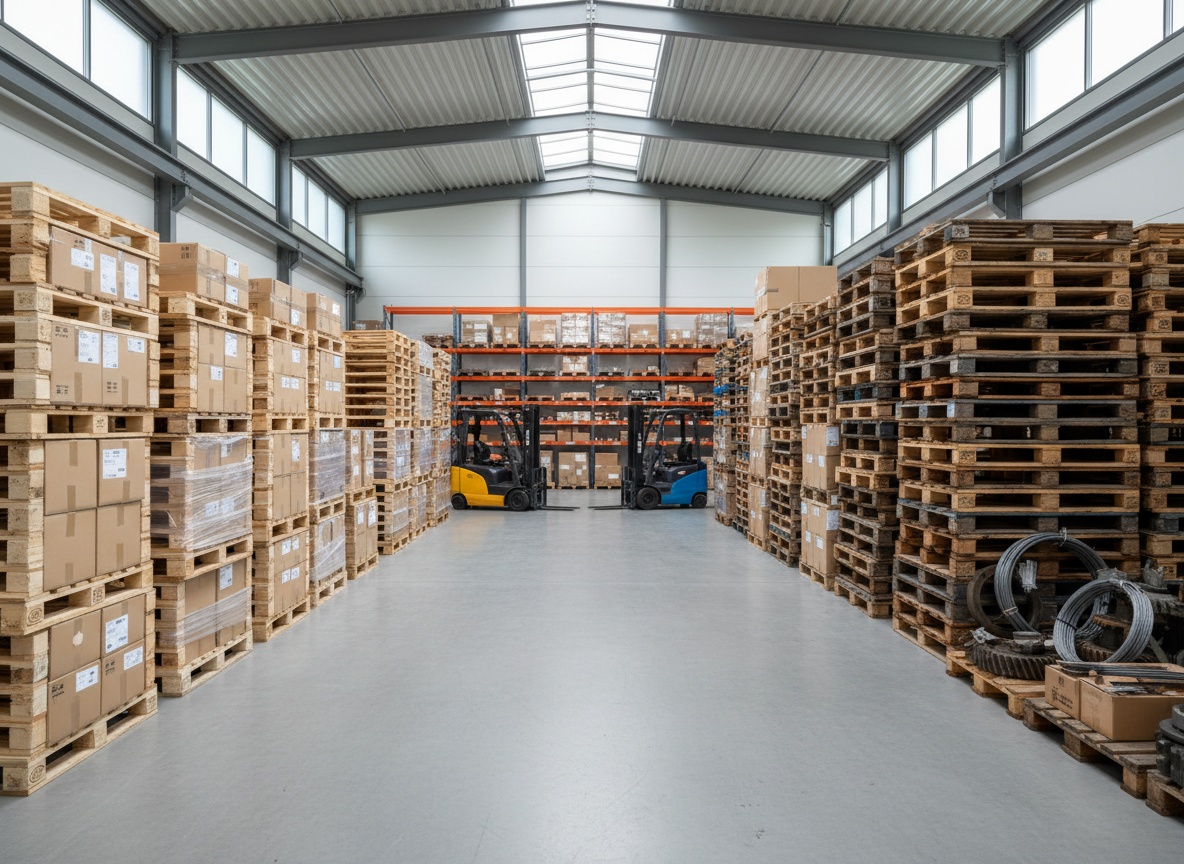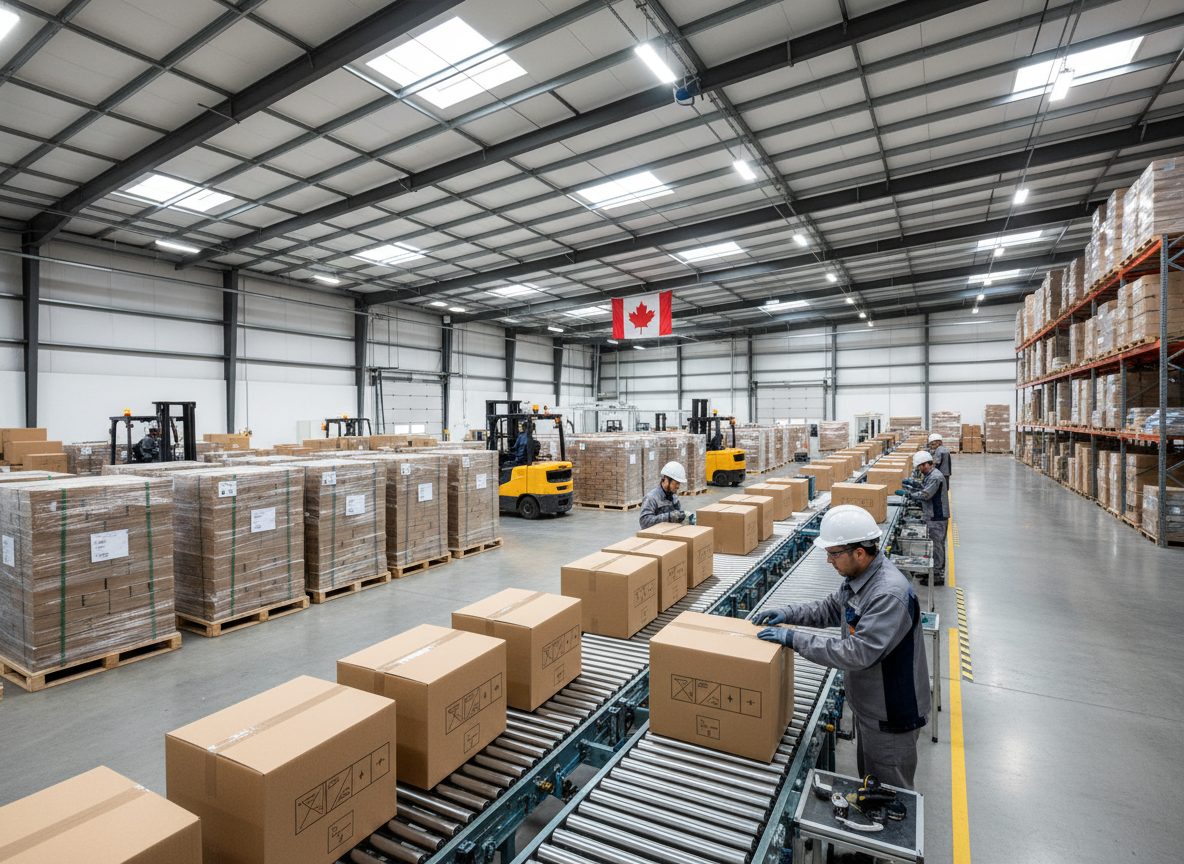


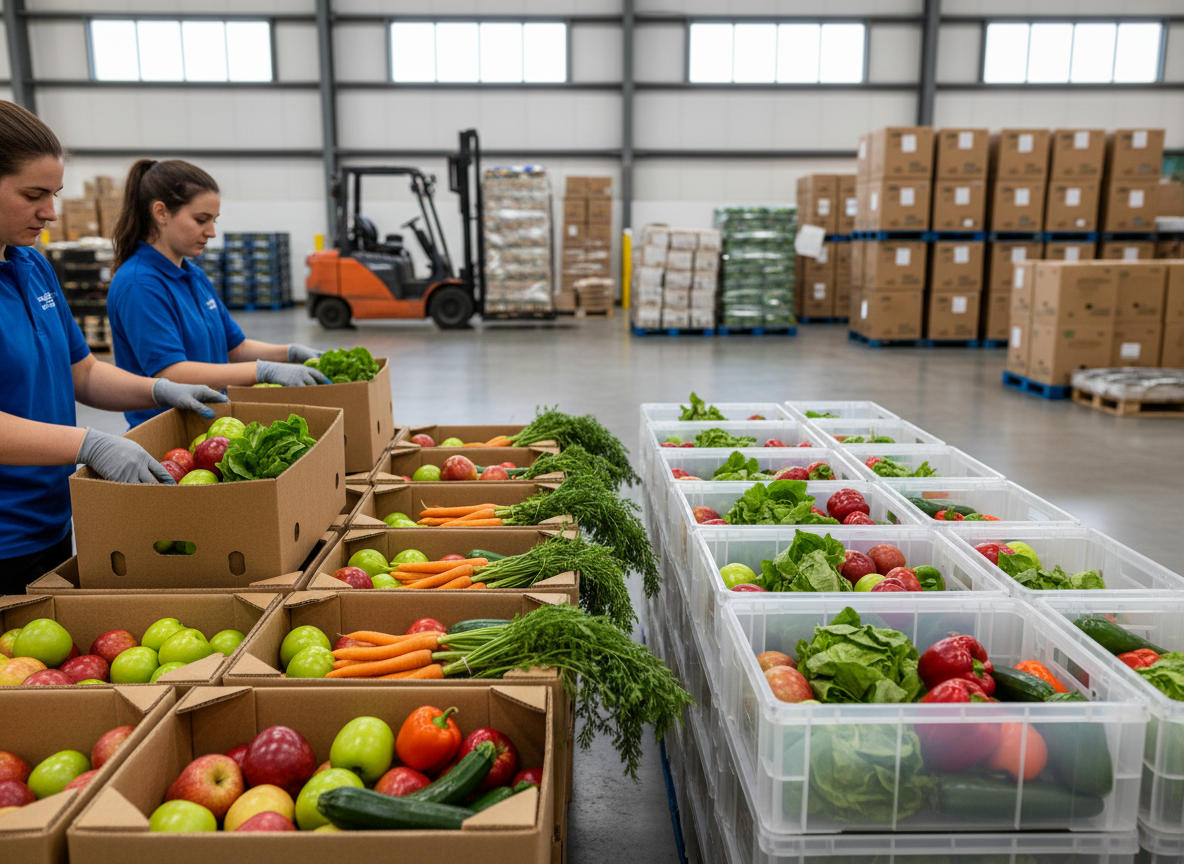
Packaging decisions affect more than transportation. They influence storage efficiency, handling consistency, sanitation processes, and long-term operational costs. Ontario growers often compare cardboard produce boxes with reusable plastic containers when evaluating distribution and packaging strategies.
Both packaging formats support agricultural supply chains differently. The right option depends on shipping distance, product type, storage requirements, and return logistics. For many operations, the decision comes down to balancing flexibility, durability, and operational efficiency.
Cardboard produce boxes are corrugated packaging solutions designed for shipping, stacking, and product handling. These boxes are commonly used because they support flexible sizing, custom printing, and efficient transportation.
Reusable plastic containers are rigid packaging assets designed for repeated circulation. They are often used in closed-loop systems where retrieval and cleaning processes remain consistent.
Each format offers operational advantages depending on how products move through the supply chain.
Packaging costs extend beyond unit pricing. Storage, transportation, handling, and labour all contribute to the total operational expense.
Corrugated Packaging and Flexible Ordering
Cardboard produce boxes support seasonal demand changes and variable shipment sizes. Flat-packed corrugated boxes also require less storage space before assembly. This helps improve warehouse organization and inventory management.
For operations managing different product sizes, corrugated packaging provides greater flexibility without requiring large container pools.
Reusable Plastic Container Management
Reusable plastic containers require coordination for returns, tracking systems, and sanitation processes. These additional steps can increase operational complexity across larger distribution networks.
Closed-loop systems may benefit from reusable packaging when return logistics remain stable and predictable.
Packaging performance depends heavily on humidity exposure, stacking pressure, and transportation conditions.
Corrugated Packaging Strength
Cardboard bulk produce boxes can be engineered using different board grades and edge-crush ratings. Moisture-resistant coatings and ventilation features also help support the distribution requirements of produce.
Corrugated packaging can be adjusted for:
This flexibility supports both short-distance and long-distance transportation requirements.
Plastic Container Durability
Reusable plastic containers provide rigid structural consistency during repeated use. However, damaged edges or cracked surfaces may affect stacking reliability over time.
Plastic containers also require regular inspection to maintain handling performance across multiple shipping cycles.
Hygiene management remains an important consideration in agricultural distribution systems.
Single-use corrugated packaging reduces the need for repeated circulation between facilities. This helps simplify handling processes across open distribution networks.
Reusable plastic containers require controlled cleaning procedures between uses. Operations that use reusable systems often require additional oversight for sanitation verification and container condition monitoring.
The appropriate packaging approach depends on how consistently cleaning and return processes can be managed across the supply chain.
Environmental goals continue to influence packaging decisions across Ontario agricultural operations.
Corrugated packaging supports recyclable material recovery systems and renewable fibre sourcing initiatives. Many operations also evaluate the availability of recycled content and certified forestry sourcing when selecting packaging suppliers.
Reusable plastic containers reduce the frequency of disposal when return cycles remain efficient. However, transportation and cleaning requirements also influence long-term environmental performance.
Sustainability outcomes often depend on shipping distance, return efficiency, and operational consistency rather than packaging material alone.
Also Read:
Why Choose Coleman Containers for Your Packaging?
Things to Know About Customizing the Packaging of Your Products
The decision between cardboard produce boxes and reusable plastic containers depends on operational structure rather than a single universal standard.
Corrugated packaging often supports:
Reusable plastic containers may support:
Ontario farms evaluating packaging strategies should consider transportation conditions, storage limitations, labour requirements, and long-term logistics efficiency before selecting a packaging format.
For operations seeking produce boxes wholesale aligned with transportation and handling requirements, contact Coleman Containers to discuss custom produce packaging options.
Get Free Estimate!