


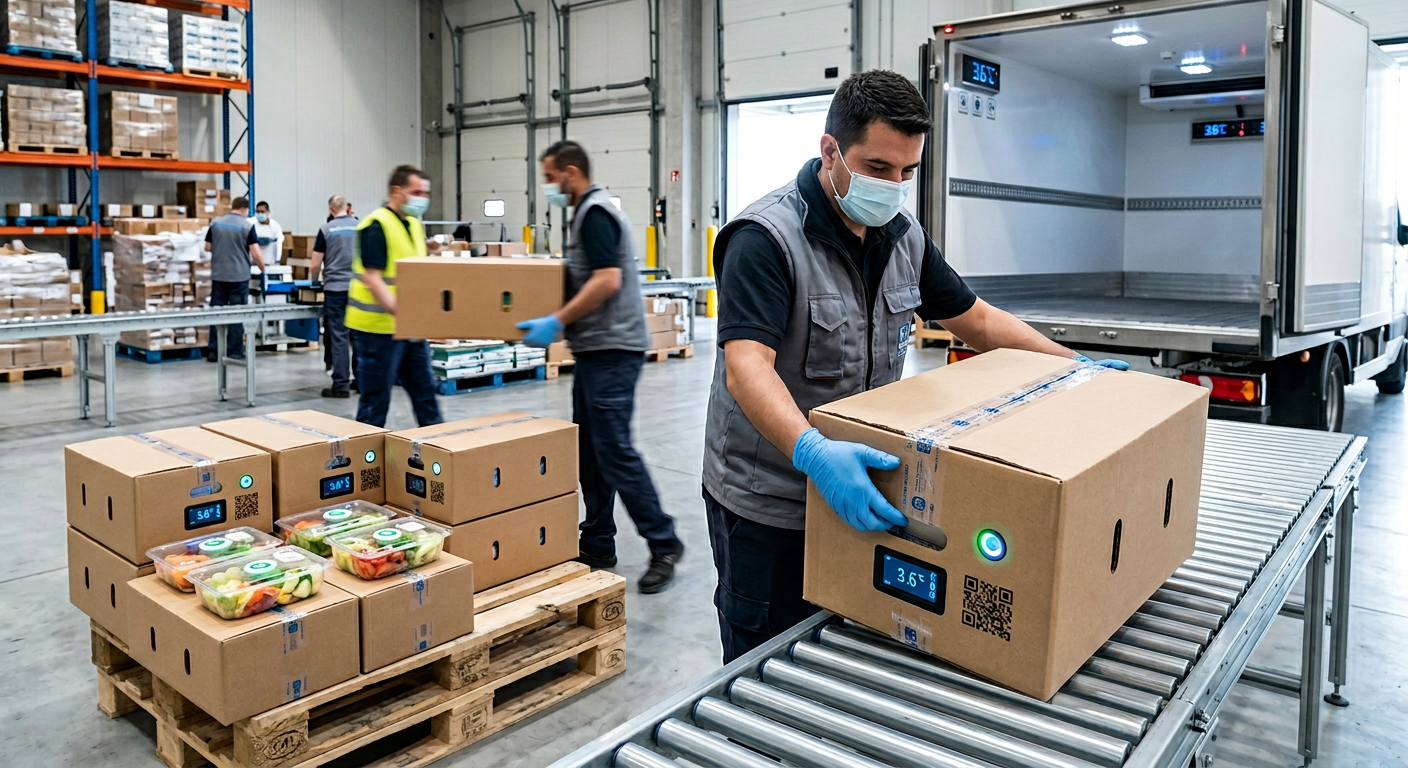
Food safety incidents rarely begin where products are consumed. They often start earlier in the supply chain. Food products move through manufacturing plants, warehouses, transport networks, and retail environments before reaching the end consumer. At every stage, contamination, environmental exposure, or physical damage can occur.
These risks matter because even a minor failure in food packaging supplies can compromise entire product batches. Contamination, spoilage, and product recalls can lead to regulatory consequences and brand damage.
Smart packaging addresses these challenges by transforming packaging into an active safety system. These systems protect products from contamination, maintain hygiene, and preserve quality throughout the supply chain.
People Also Ask
Packaging protects food from contamination, environmental exposure, and physical damage while providing essential information such as expiration dates and storage instructions.
Smart packaging includes technologies and design features that monitor product conditions, improve traceability, and protect food quality throughout the supply chain.
Food supply chains have become more complex. Products may travel across regions and pass through multiple handling points before reaching retailers.
Each stage introduces potential safety risks:
Therefore, packaging serves as a multi-layered barrier against contamination, chemical alterations, and physical damage.
Modern systems of food packaging supplies support safety by:
Without strong packaging systems, maintaining food safety becomes difficult across complex distribution networks.
Smart packaging refers to packaging systems designed to enhance monitoring, protection, and product integrity throughout the supply chain.
Traditional packaging only encloses a product. Smart packaging integrates features that actively support food safety and quality control.
Common smart packaging elements include:
Some advanced systems also include active packaging technologies that interact with the internal environment to extend shelf life. Others use sensors that signal when products are no longer safe to consume. These capabilities transform packaging into an intelligent safety tool.
Smart packaging supports food safety throughout production, transport, and distribution.
1. Contamination Protection
Packaging acts as the first barrier against harmful microorganisms and environmental pollutants.
Effective packaging helps prevent:
Maintaining a controlled packaging environment helps preserve hygiene throughout the supply chain.
2. Shelf Life Extension
Packaging materials help control environmental factors that affect food stability.
Modern materials can regulate:
By managing these elements, food packaging slows spoilage and helps reduce food waste.
3. Physical Protection
Transportation and storage can place significant stress on packaged products.
Protective packaging provides:
These features help maintain product integrity throughout distribution.
4. Tamper Evidence and Consumer Security
Tamper-evident packaging provides visible confirmation that a product has not been opened or altered.
Common solutions include:
These systems strengthen consumer confidence and product security.
5. Chemical Safety
Packaging materials must meet strict regulatory standards. They must prevent harmful substances from transferring into food products. Proper material selection ensures packaging complies with health and safety regulations.
6. Information and Traceability
Packaging also serves as a communication tool. It provides important information such as:
Clear labelling supports traceability and helps maintain regulatory compliance.
Corrugated packaging plays a major role in food safety systems. It often functions as secondary or tertiary packaging, protecting products during storage and distribution.
Corrugated packaging offers several safety advantages:
Because corrugated packaging is adaptable, it can support ventilation, moisture control, and safe handling across complex supply chains. These properties make corrugated packaging an important component of modern smart packaging strategies.
Also Read:
How Custom Food Packaging Enhances Holiday Gifting
Why Food Packaging Needs to Be Both Functional and Aesthetic
The Role of Custom Packaging in the Food and Beverage Industry
Packaging has evolved beyond its traditional role as a simple container. Modern supply chains require packaging systems that actively protect products throughout production, storage, and distribution.
Smart packaging strengthens food safety by acting as a barrier against contamination, preventing physical damage, and improving traceability.
Businesses evaluating advanced packaging strategies can contact Coleman Containers to enhance product protection and supply chain efficiency. Partnering with experienced food packaging companies in Toronto improves product protection and supply chain reliability.

Get Free Estimate!

