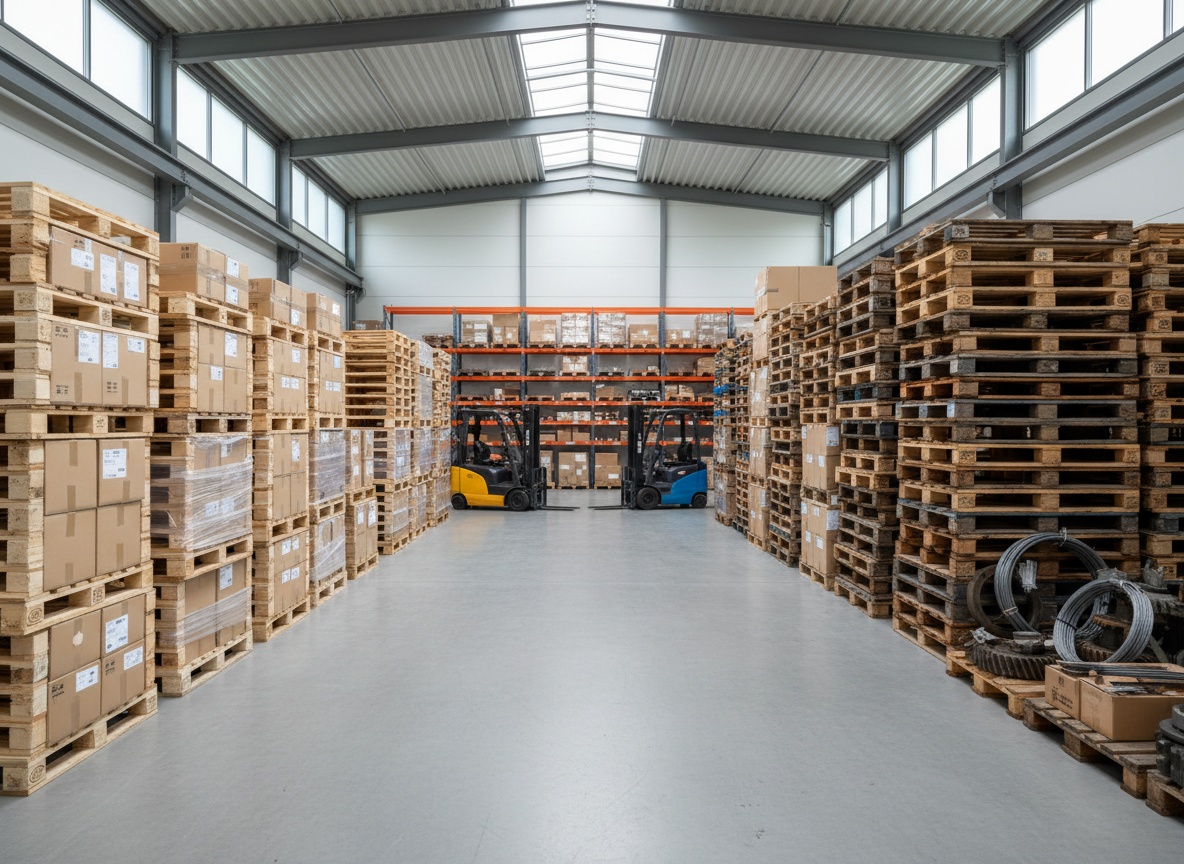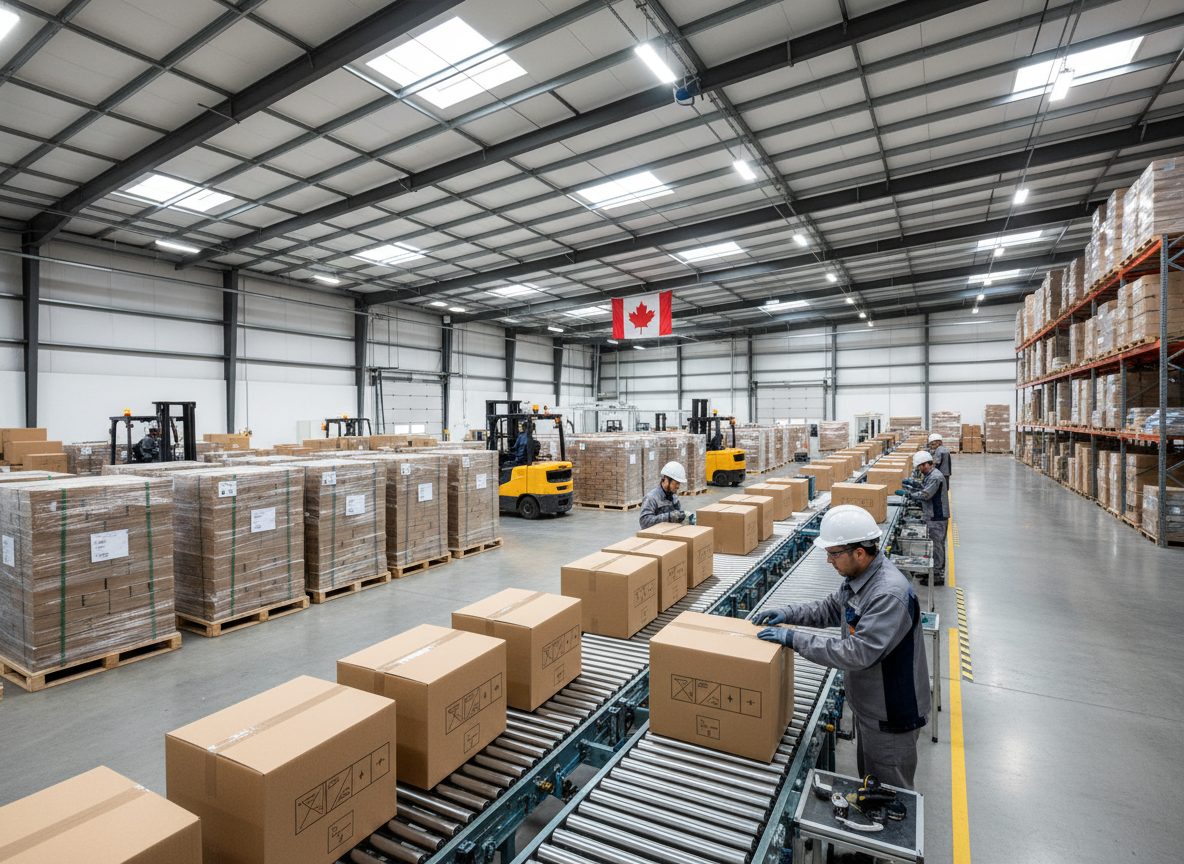


Shipping damage often begins with a simple but overlooked factor: pallet selection. Many operations focus on packaging materials while overlooking the structural base that supports each shipment. When pallets fail under load or through repeated use, the result can include damaged goods and costly delays.
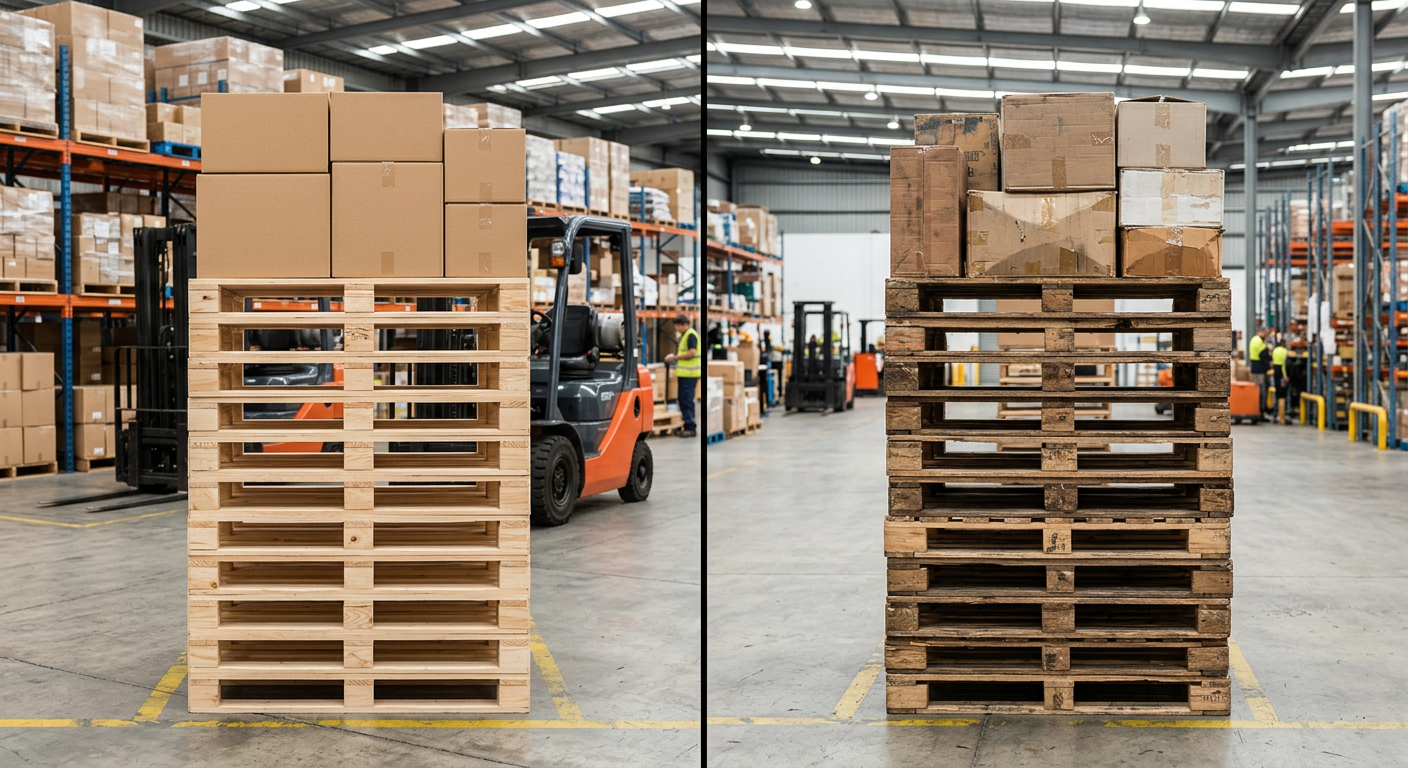
Selecting between new and recycled wooden box pallets affects durability, cost efficiency, and sustainability. Understanding the differences helps operations teams choose pallet packaging that supports product protection and long-term logistics reliability.
New wooden box pallets are built from freshly processed lumber and assembled specifically for packaging and shipping operations. Because the materials are unused, these pallets offer uniform dimensions and structural integrity.
Common characteristics include
Businesses that ship heavy or sensitive products often rely on these box pallets to ensure stable stacking and reliable transportation.
Recycled wooden box pallets are produced by repairing and reconditioning previously used pallets. Damaged boards are replaced, and the structure is reinforced to restore functionality.
Typical features include:
Recycled pallets support sustainability initiatives while still providing practical shipping solutions for many industries.
Before selecting between new and recycled wooden box pallets, several practical considerations help guide the decision.
Important factors include:
Evaluating these factors helps operations teams align pallet selection with logistics demands.
A simple comparison highlights how both options perform across common packaging scenarios.
New Wooden Box Pallets
Advantages:
Limitations:
Recycled Wooden Box Pallets
Advantages:
Limitations:
Understanding these differences helps businesses match pallet type with shipping conditions.
New wooden box pallets are often the preferred option when packaging performance must remain predictable.
These scenarios may include:
In these environments, consistent pallet construction helps reduce the risk of shipping damage.
Many businesses benefit from recycled wooden pallet packagings when shipping conditions are less demanding.
Common use cases include:
For these applications, recycled pallets can deliver practical performance while supporting resource efficiency.
Also Read:
Why Drop Testing Matters for Long-Lasting Packaging
Packaging with Purpose: How the 4Cs Drive Consumer-Centric Design
Why Choosing a Local Packaging Manufacturer Matters for Canadian Businesses
Choosing between new and recycled wooden box pallets involves balancing durability, cost considerations, and environmental goals. Operations that manage heavy products, sensitive equipment, or international logistics often benefit from the reliability of new pallets. In contrast, recycled pallets can provide a practical solution for lighter loads and shorter shipping distances.
Carefully evaluating shipment requirements, handling conditions, and long-term logistics needs helps businesses select pallet packaging that supports both product protection and operational efficiency.
Businesses seeking to partner with trusted wooden pallet manufacturers can contact Coleman Containers to determine a suitable configuration for shipping operations.
Get Free Estimate!