


Returns are often treated as an unavoidable part of ecommerce. Orders ship fast. Customers expect convenience. When a product comes back, it is recorded as a cost of doing business.
What often goes unnoticed is how many of those returns are triggered before even opening the product.
Packaging failures quietly increase return rates with crushed boxes, loose products, and scuffed items. Overpacked shipments can signal damage before inspection. These issues affect customer confidence and increase operational costs across the supply chain.
Better ecommerce packaging addresses these risks early. Engineering packaging for protection, fit, and transit conditions reduces return rates and improves long-term performance.
Packaging affects return rates by influencing product protection, transit damage, and customer perception. Poor packaging increases damage-related and experience-driven returns.
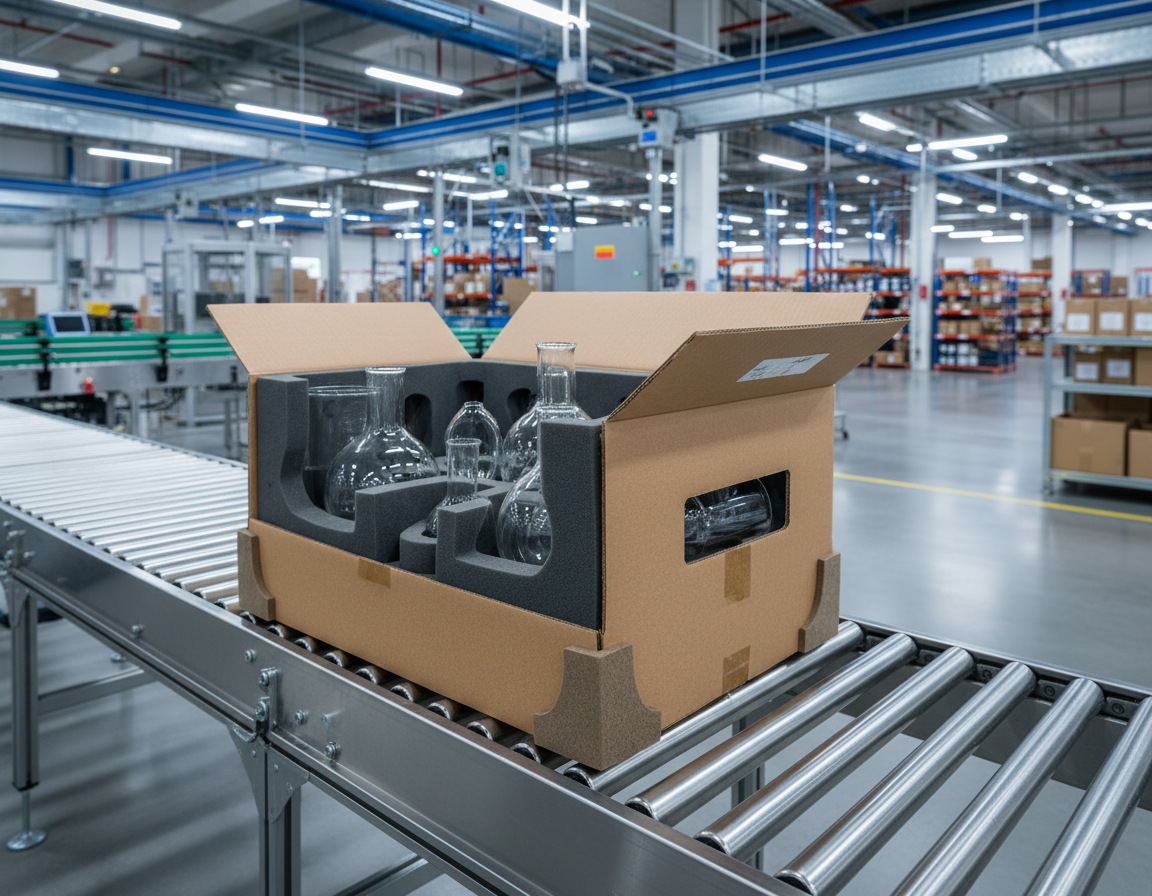
Right-sized, protective ecommerce packaging that limits movement and absorbs impact helps reduce damage-driven returns and improves delivery outcomes.
Product returns feel unpredictable because they occur after delivery. Once a package leaves the facility, control appears limited.
In reality, many returns originate upstream.
Packaging decisions influence how products move, stack, shift, and absorb impact during shipping. Basing those decisions on convenience or cost alone increases the likelihood of damage.
Ecommerce packaging provides one of the few controllable levers in the return cycle. When packaging is designed with intent, return outcomes become more predictable and manageable.
Returns affect more than refunded revenue. They create hidden operational strain.
Common return-related costs include:
Over time, these costs compound. High return rates distort demand forecasting and reduce margins. For growing ecommerce businesses, return reduction becomes a stability issue rather than a customer service issue.
Packaging plays a direct role in this equation.
Customers often decide whether to return a product within seconds of opening the box. Packaging sets expectations before the product is evaluated.
Packaging-related return triggers include:
Even when the product functions correctly, perceived damage increases the likelihood of return. Ecommerce packaging solutions communicate quality, care, and reliability before the product does.
Protective ecommerce packaging is not about adding more material. It is about using the right material in the right way.
Effective protective packaging focuses on:
Ecommerce retail packaging is engineered to withstand transit conditions so products arrive intact, and customer confidence is maintained. Fewer damaged shipments result in fewer damage-related returns and fewer customer service escalations.
Oversized packaging creates risk. When a product has excess space inside a box, movement becomes unavoidable. This movement leads to abrasion, impact damage, and misalignment.
Right-sized packaging reduces these risks by:
Right-sizing also improves warehouse efficiency and shipping consistency. When dimensions of ecommerce packaging supplies match the product profile, transit failures decline, and return rates follow.
Returns are not always driven by damage. Experience plays a role. A poorly presented package can influence perception:
Conversely, structured and secure packaging reinforces confidence. When the unboxing experience feels controlled and intentional, customers are less likely to initiate a return over minor concerns.
Packaging becomes part of the decision-making process, even when products meet specifications.
Reducing returns creates operational clarity. Inventory flows more predictably. Labour allocation stabilizes. Customer service teams shift from damage resolution to support and retention.
Long-term benefits include:
Return reduction improves profitability without increasing marketing spend. Custom ecommerce packaging plays a direct role in achieving that outcome.
Also Read:
The Science Behind Foam Packaging: Ensuring Optimal Protection
Enhancing Brand Loyalty: 5 Ways Professional Packaging Providers Can Assist
The Importance of Custom Packaging for Brand Recognition and Customer Loyalty
Ecommerce returns rarely stem from a single issue. They emerge from small breakdowns across fulfillment and delivery. Packaging remains one of the most effective areas to reduce those breakdowns.
Ecommerce packaging should not be an afterthought. It is a strategic asset that influences delivery outcomes, customer confidence, and operational efficiency.
When packaging is designed around:
Return rates decline naturally. Fewer damaged products, fewer uncertain customers, and fewer avoidable costs follow.
Businesses looking to lower return rates benefit from packaging solutions that prioritize protection, fit, and consistency. Thoughtful packaging from the right ecommerce packaging manufacturer supports smoother deliveries and more predictable outcomes. Contact Coleman Containers to discuss structured ecommerce packaging solutions that reduce returns.
Get Free Estimate!