
Packaging decisions often happen later than they should. Businesses launch a product, plan distribution, and then begin searching for a box to hold it. That approach frequently leads to damaged shipments, inefficient storage, and unnecessary packaging costs.
Custom cardboard boxes play a much larger role than simply containing a product. They influence transportation efficiency, product protection, warehouse operations, and even brand presentation.
Well-engineered corrugated packaging improves product protection and shipping efficiency. On the other hand, well-engineered corrugated packaging boxes support product safety, improve logistics performance, and support supply chain efficiency.
Effective box design requires careful planning. Product characteristics, board strength, structure, and sustainability all influence performance. Businesses that approach packaging design strategically often see measurable improvements in operational efficiency and product protection.
People Also Ask
An effective custom cardboard box combines the right corrugated board strength, structural design, and size optimization to protect products while reducing shipping costs.
Board grade is selected based on product weight, stacking requirements, and transportation conditions to ensure the box maintains structural integrity during shipping.
1. Start With the Product, Not the Box
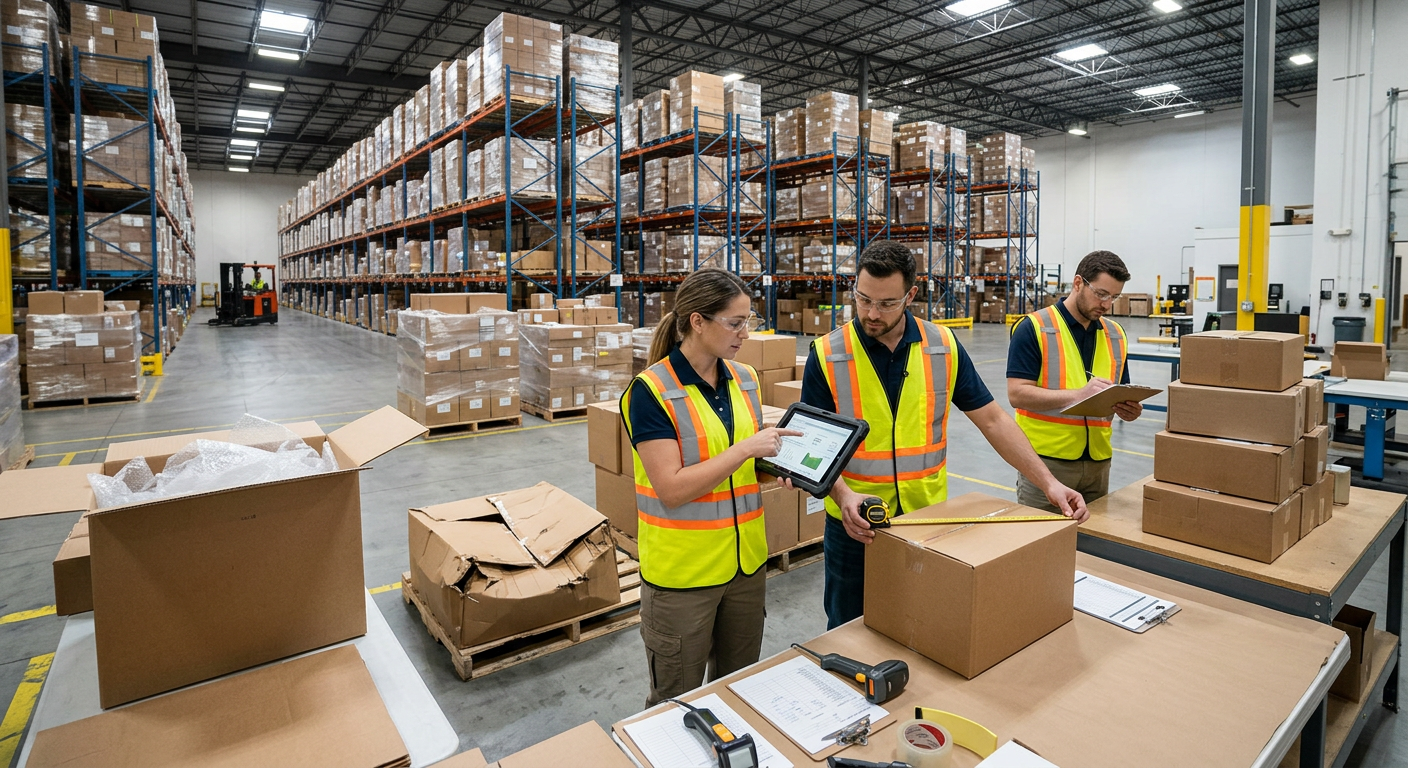
Effective packaging design begins with a detailed understanding of the product itself. The size, weight, fragility, and handling conditions determine what type of corrugated packaging will perform reliably.
Key product factors that influence box design include:
A packaging design that fits the product correctly reduces internal movement and lowers the risk of damage during transportation. Products that move excessively inside a box are far more likely to experience structural stress during transit.
Starting with product requirements allows engineers to determine the most appropriate corrugated packaging boxes before moving on to structural decisions.
2. Choosing the Right Corrugated Board Grade
Corrugated cardboard is not a single material. It comes in different board grades designed to handle varying levels of weight and stress.
Each corrugated board consists of a fluted medium placed between linerboards. The combination of flute type and liner strength determines compression resistance and durability.
Common board options include:
Single-wall board
Double-wall board
Triple-wall board
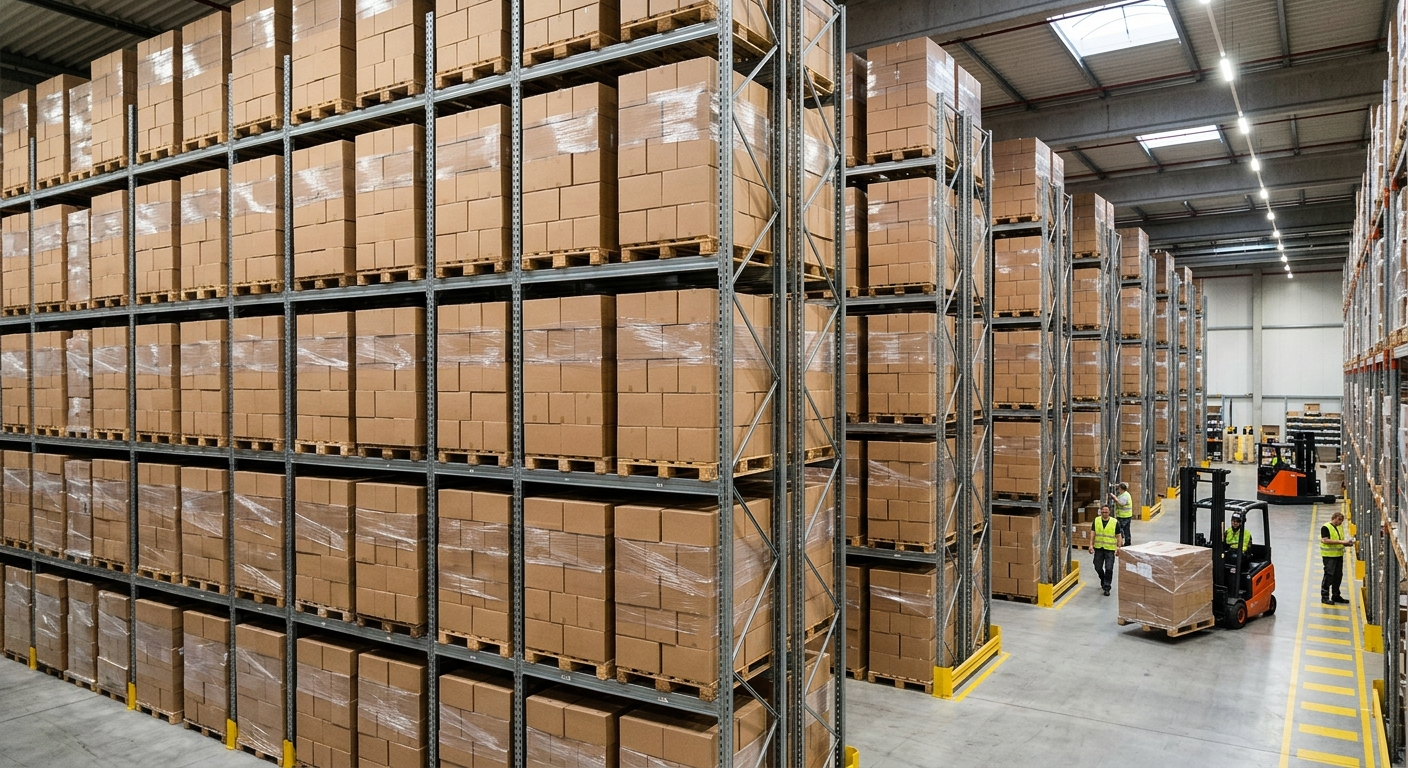
Selecting the right board grade ensures that custom cardboard boxes can withstand stacking pressure during storage and transport.
3. Structural Design and Box Style Selection
Beyond material strength, the structural design of the box also affects performance. Corrugated custom cardboard boxes are available in a wide range of structural styles.
Common box styles include:
Selecting the correct box structure improves product stability, reduces the risk of damage, and simplifies packing processes.
4. Designing for Shipping Efficiency
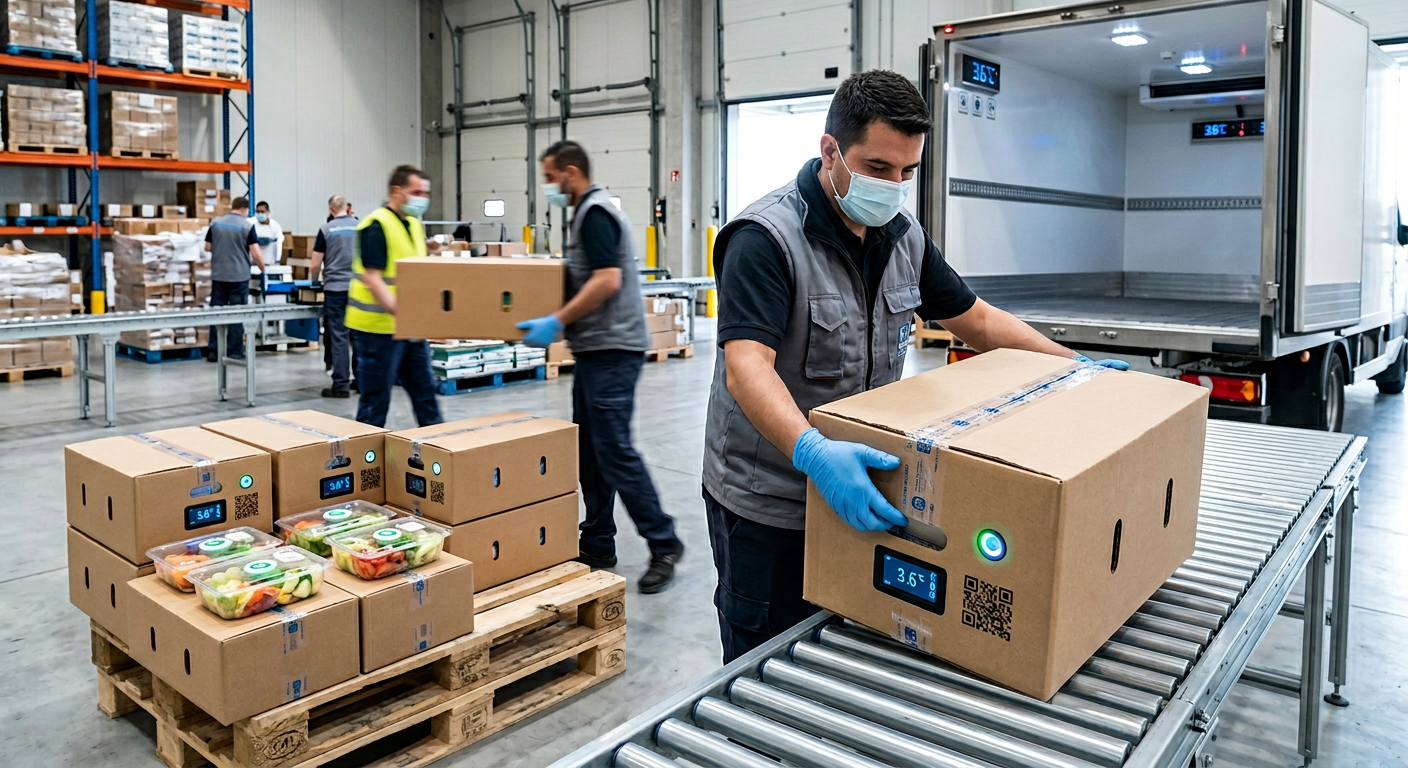
Shipping costs often depend on dimensional weight rather than actual weight. Oversized boxes can increase logistics expenses and reduce pallet efficiency.
Well-designed custom cardboard boxes help improve shipping performance by:
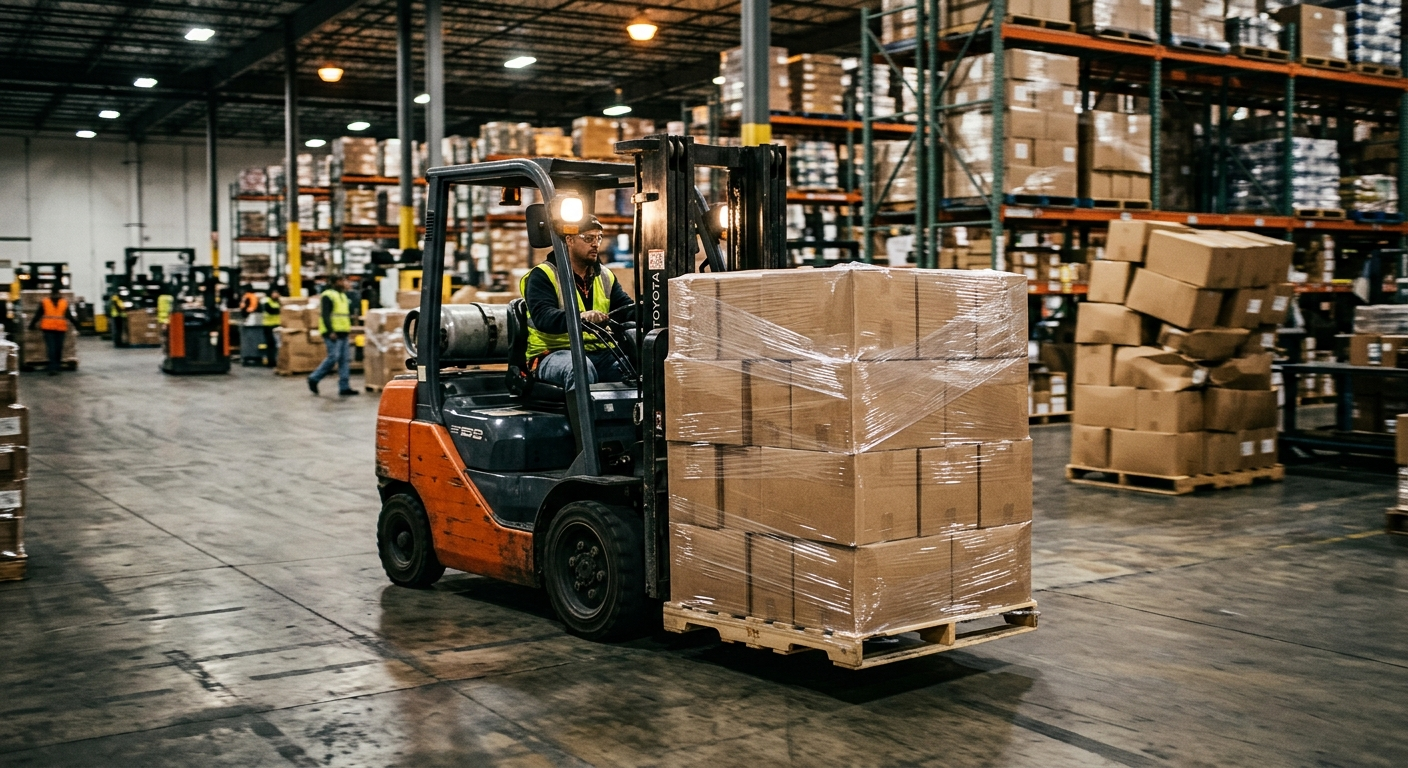
Efficient packaging design also improves warehouse storage. Boxes that stack securely and maintain structural integrity simplify handling across distribution environments. Businesses that optimize packaging dimensions often see measurable reductions in transportation costs.
5. Print and Branding Considerations
Corrugated packaging also plays an important role in brand presentation. Printed cardboard boxes allow companies to display logos, product details, and handling instructions directly on the packaging surface.
Printing options may include:
However, print design should not interfere with structural integrity. Ink coverage, board selection, and printing techniques must align with packaging durability requirements. A balanced design approach ensures that packaging supports both branding and product protection.
6. Sustainability and Material Optimization
Many organizations now evaluate packaging through a sustainability lens. Corrugated cardboard already offers several environmental advantages because it is widely recyclable and often produced using recycled fibre.
Sustainable packaging design may involve:
Material optimization helps companies reduce packaging waste while maintaining protective performance. Businesses increasingly recognize that thoughtful packaging design supports both environmental responsibility and operational efficiency.
7. Prototyping and Testing Before Production
Before large production runs begin, packaging prototypes are often developed and tested. This stage allows designers to confirm that the box structure performs as expected.
Common testing methods include:
Prototype testing helps identify design improvements early in the process. Adjustments made during testing can prevent large-scale packaging failures once shipments begin.
Testing ensures that custom cardboard boxes meet the practical demands of real-world distribution.
Several avoidable mistakes can compromise packaging performance when design considerations are overlooked.
Common packaging design challenges for corrugated box manufacturers include:
Avoiding these mistakes helps ensure that corrugated packaging boxes perform reliably throughout the supply chain.
Also Read:
How Custom Flip-Top Boxes Help Drive Faster Sales Growth
9 Common Corrugated Box Styles and How to Choose the Right One
How Manufacturers Oversee Corrugated Box Lifecycles From Design to Delivery
Designing effective custom cardboard boxes requires knowledge of materials, structural engineering, shipping requirements, and printing processes.
A collaborative packaging approach allows businesses to evaluate product characteristics, transportation conditions, and branding goals together. This process often leads to more efficient packaging designs and better long-term performance.
Organizations seeking reliable corrugated packaging solutions often benefit from working with experienced packaging manufacturers. This ensures that the box design supports operational efficiency and product protection. Contact Coleman Containers for customized cardboard boxes in Canada designed for modern supply chains.
Get Free Estimate!