
Shipping damage rarely starts during delivery. It usually begins with packaging decisions made long before a shipment leaves the warehouse. Many businesses rely on packaging that appears strong but fails to withstand stacking pressure, vibration, and transit.
When products arrive dented, scratched, or broken, the consequences extend beyond replacement costs. Damaged shipments disrupt supply chains, delay operations, and weaken customer confidence. Preventing these problems requires packaging engineered specifically for shipping conditions.
Packaging companies address this challenge by designing corrugated packaging systems that protect products from impact, compression, and movement during transit. With the right strategies, businesses can significantly reduce transport damage and improve shipping reliability.
Products experience several stresses between departure and delivery. Trucks, warehouses, and distribution hubs expose shipments to constant motion and handling.
Common causes of transport damage include:
Without packaging designed for these conditions, even durable products can suffer damage before reaching their destination.
Strategy #1: Designing the Right Corrugated Packaging Structure
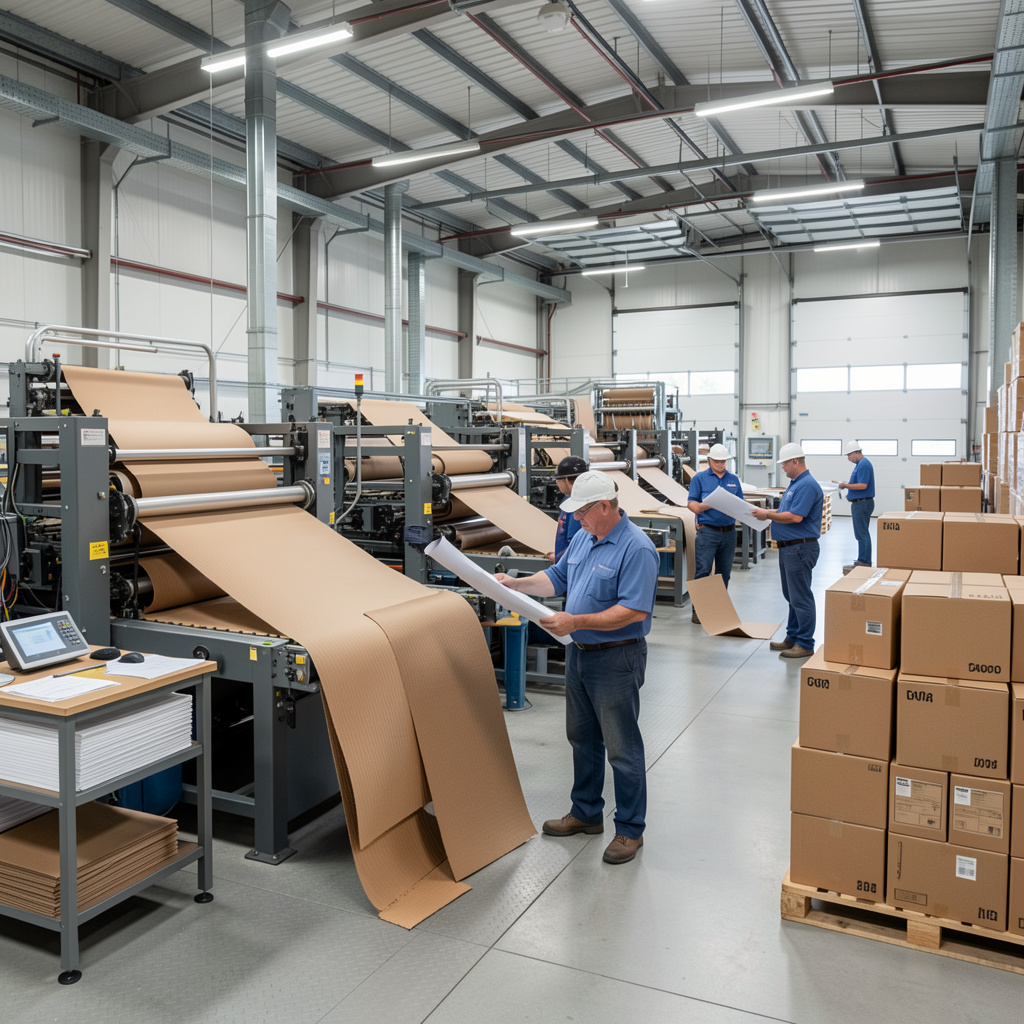
Corrugated packaging performs best when the board grade matches the product’s weight and shipping conditions. Packaging companies select the appropriate structure by evaluating load requirements and stacking patterns.
Important design elements include:
Choosing the correct corrugated structure helps the packaging maintain its shape throughout the supply chain.
Strategy #2: Precision Fit & Internal Protection
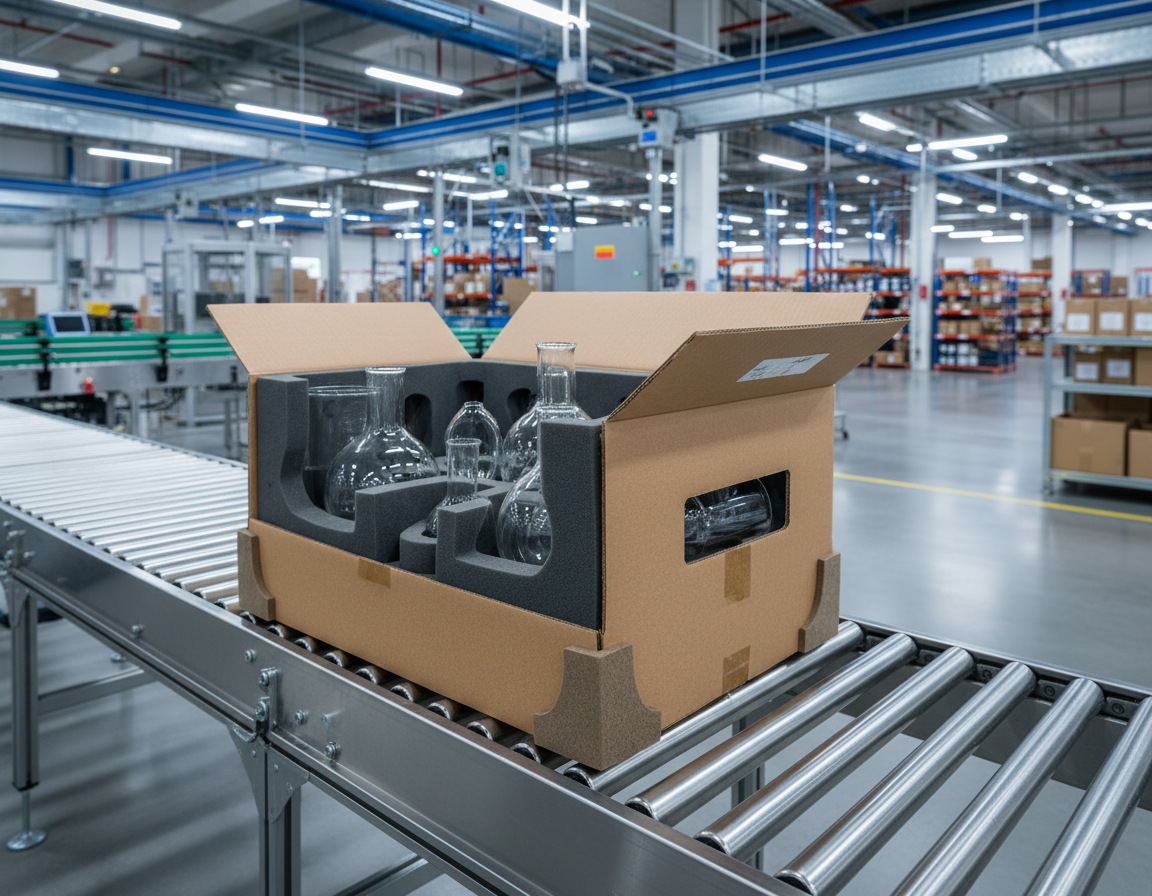
Transport damage often occurs when products shift inside packaging. Excess space can cause items to collide with the box’s walls during shipping. Packaging companies solve this problem through precise internal design.
Common protection methods include:
Precision-fit packaging prevents movement and distributes shock evenly throughout the box structure.
Strategy #3: Shock & Drop Testing Before Production
Packaging designs must perform in real logistics environments. For this reason, packaging companies conduct testing before large production runs.
Typical evaluation methods include:
Testing reveals potential weaknesses in the packaging system. Engineers can refine the design before production begins, reducing the risk of shipping failures.
Strategy #4: Palletization & Load Optimization
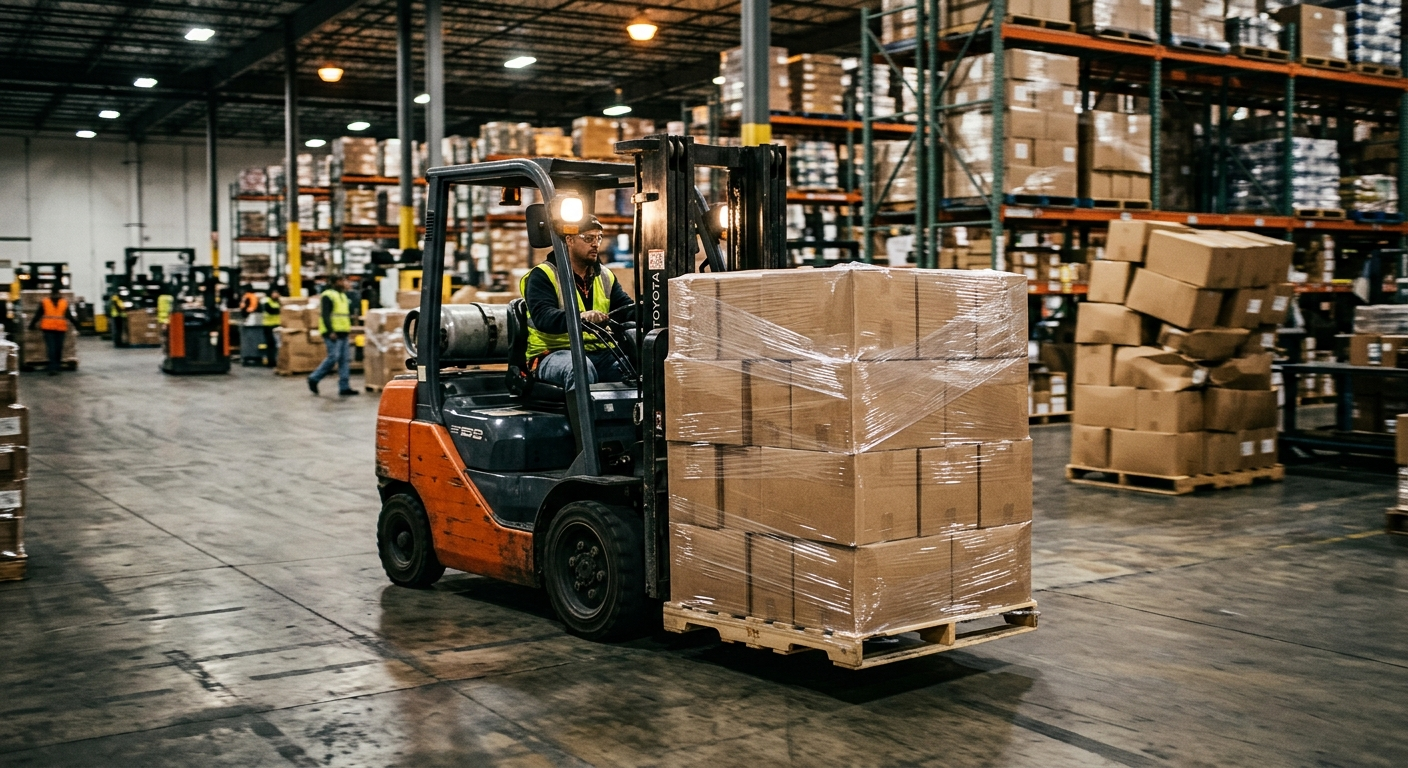
Even strong boxes can fail when pallets are poorly arranged. Proper palletization ensures weight distribution remains balanced during storage and transport.
Effective pallet design includes:
These techniques prevent shifting, leaning, and compression damage while shipments move through distribution networks.
Strategy #5: Designing for Real-World Logistics Conditions
Transport routes expose shipments to changing conditions, including temperature shifts, humidity, and rough handling.
Packaging companies evaluate logistics factors such as:
By considering real-world logistics conditions, packaging engineers design corrugated solutions that maintain structural integrity from origin to destination.
Also Read:
Why Better Ecommerce Packaging Leads to Fewer Product Returns
How Packaging Companies Simplify the Choice Between Flight and Road Cases
How Double-Wall Custom Shipping Boxes Protect Heavy and Fragile Shipments
Transport damage creates hidden costs across the supply chain. Product replacement, return handling, and shipment delays quickly add up.
Custom corrugated packaging solutions designed for protection and reliable shipping performance help reduce these risks. Strong structural design, internal protection, and load optimization work together to improve shipment reliability.
Businesses seeking dependable packaging solutions often benefit from working with experienced packaging manufacturers. Thoughtful packaging engineering supports product protection, operational efficiency, and long-term cost control.
Contact Coleman Containers to develop custom corrugated packaging solutions designed for protection and logistics performance.
Get Free Estimate!