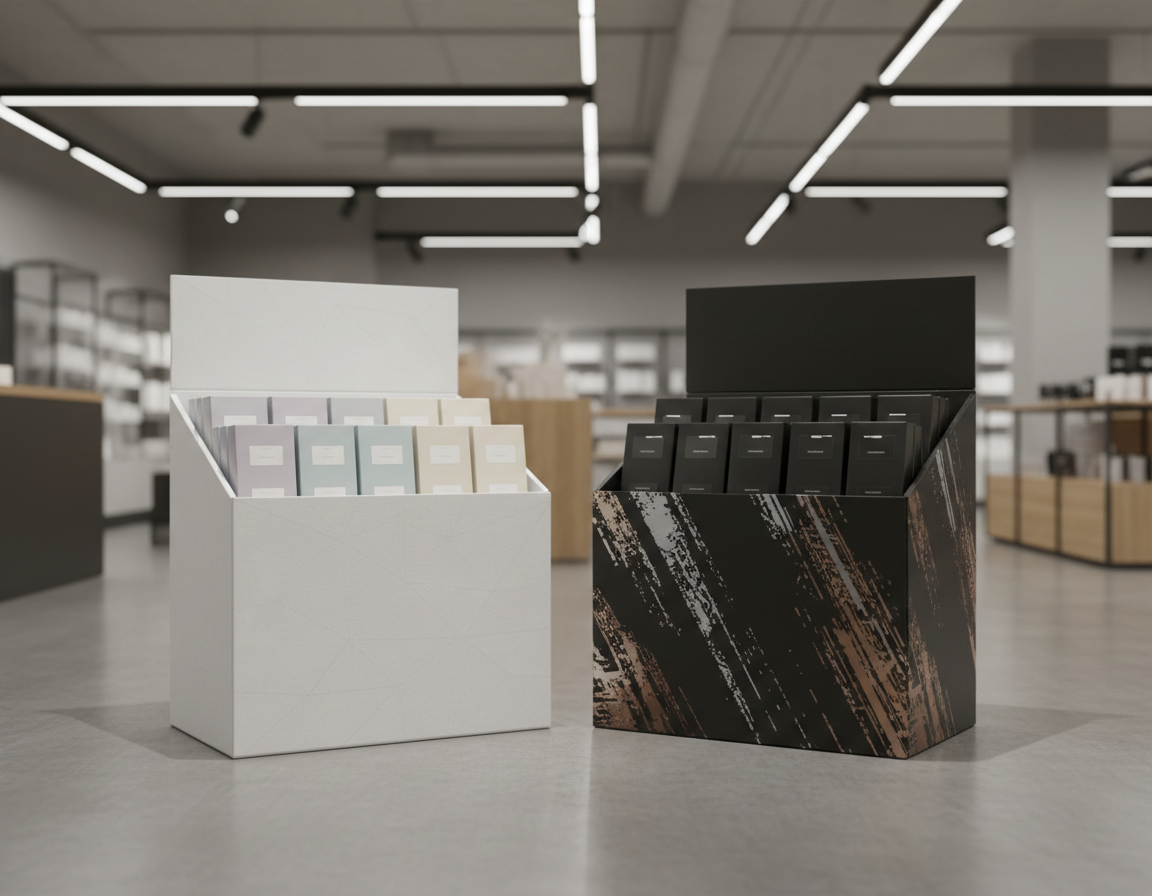
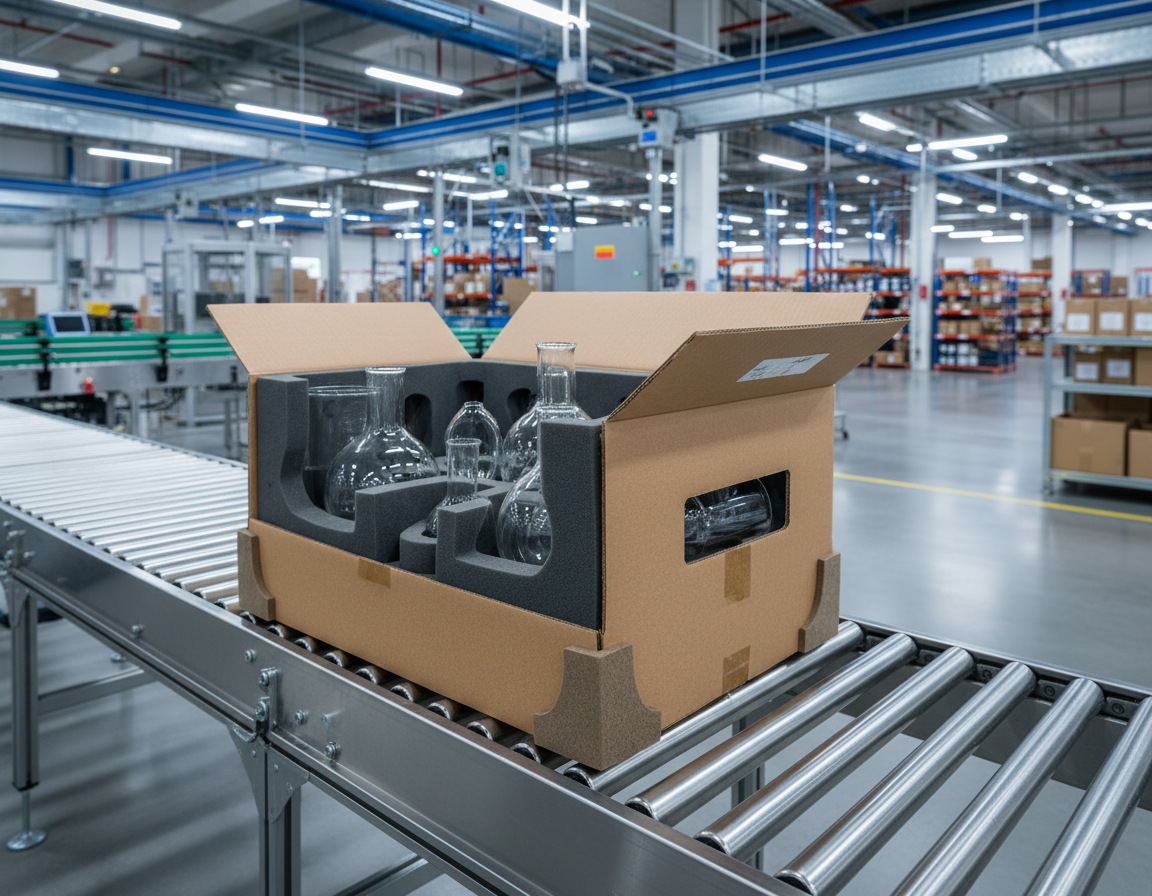

Packaging decisions often begin with a simple goal: protect products during transit. In practice, that goal is more challenging to achieve than expected. Poor box design leads to damage. Inconsistent materials disrupt logistics. Missed quality checks increase waste and costs.
These issues matter because corrugated packaging supports supply chains across consumer goods, medical equipment, pharmaceuticals, nutraceuticals, and automotive operations. When packaging fails, delays, losses, and compliance risks follow.
Top corrugated box manufacturers in Canada address these challenges by overseeing the entire corrugated box lifecycle. From early design planning to final delivery, each stage plays a role in maintaining performance, consistency, and reliability.
Stage 1: Design & Engineering Planning
The lifecycle starts with design. Manufacturers assess product dimensions, weight, handling methods, and transportation conditions. These inputs shape material selection and box structure.
Design planning focuses on:
Careful engineering at this stage prevents overdesign while ensuring sufficient protection.
Stage 2: Prototyping & Performance Testing
After defining design parameters, prototype development follows. These samples allow manufacturers to test real-world performance before full-scale production begins.
Testing may include
Prototyping reduces risk by identifying design gaps early and preventing costly corrections later in the process.
Stage 3: Corrugated Box Manufacturing
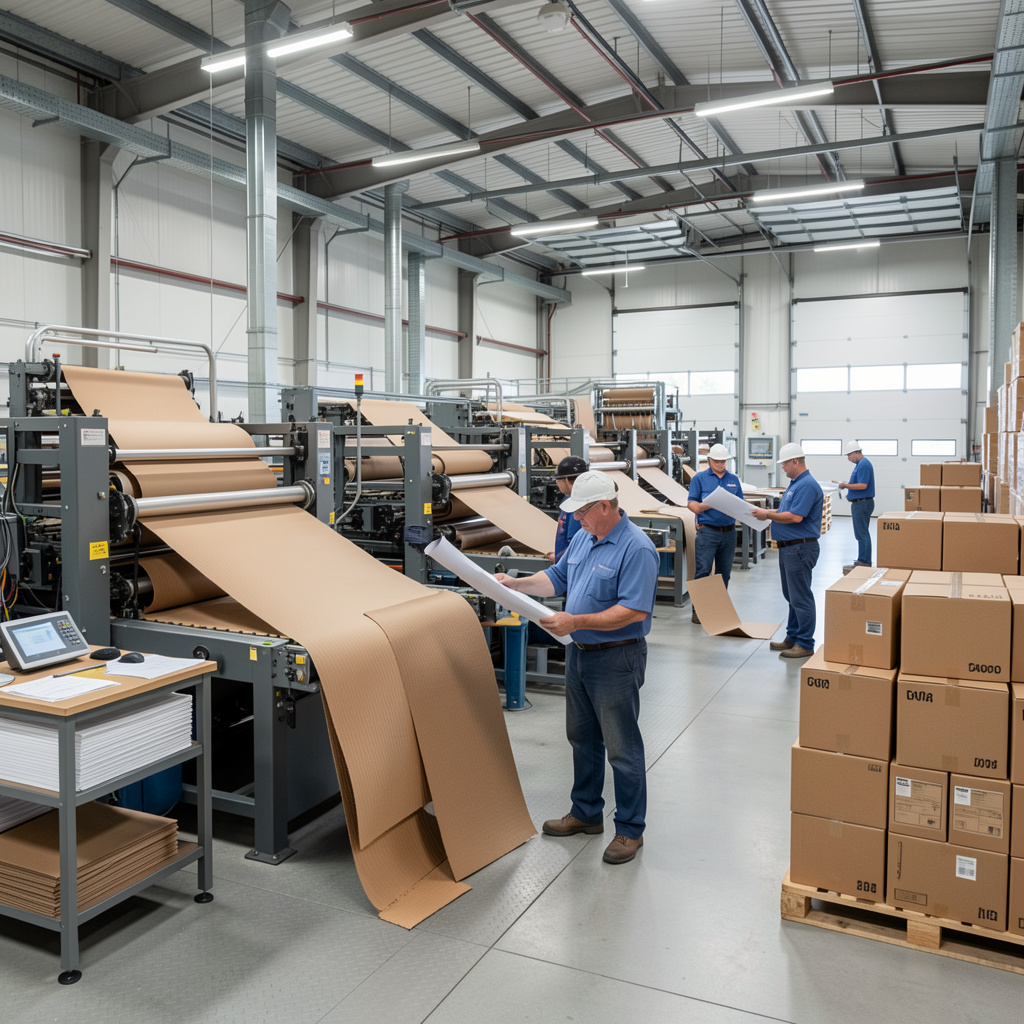
Manufacturing converts approved designs into consistent packaging solutions. This stage depends on precise equipment setup and material control.
Key manufacturing considerations include:
Controlled production ensures each corrugated box meets the same performance expectations across production runs.
Stage 4: Quality Control & Compliance
Quality control supports consistency and compliance throughout manufacturing. Top corrugated box manufacturers apply inspections at multiple checkpoints rather than relying on final-stage review alone.
Quality oversight often includes:
This approach reduces variability and supports packaging reliability across different industries and applications.
Stage 5: Packing, Storage & Logistics Coordination
Post-production, proper handling of corrugated boxes is essential to preserve their integrity. Poor storage conditions can compromise the strength of boxes before they are even used.
Manufacturers coordinate:
Effective logistics planning ensures packaging arrives ready for use without degradation.
Stage 6: Delivery, Feedback & Lifecycle Review
The lifecycle does not end at delivery. Feedback from shipping performance, handling conditions, and customer operations informs future improvements.
Lifecycle review focuses on:
Continuous review helps manufacturers adapt packaging solutions as supply chains evolve.
Also Read:
How Custom Flip-Top Boxes Help Drive Faster Sales Growth
9 Common Corrugated Box Styles and How to Choose the Right One
Why the Food & Beverage Industry Needs Custom Boxes Tailored to Their Unique Needs
Corrugated packaging works best when every stage is planned, tested, and reviewed with care. Manufacturers that oversee the full lifecycle create packaging solutions that support stability, efficiency, and long-term value.
Managing corrugated box lifecycles as a connected system improves outcomes across cost, performance, and sustainability. Each stage supports the next.
End-to-end oversight:
This structured approach helps businesses rely on packaging that performs as expected under real operating conditions.
Contact Coleman Containers for quality custom corrugated packaging solutions built with complete lifecycle oversight.
Get Free Estimate!