

Transporting valuable equipment safely requires more than just any container. Professionals across industries face a critical decision when protecting their gear during transit. Should they invest in flight cases or road cases? The wrong choice can lead to damaged equipment, costly repairs, and operational delays. Professional packaging companies help businesses navigate this decision by evaluating specific needs, usage patterns, and budget constraints.
Protective transport cases serve as the first line of defense for valuable equipment during storage and transportation. These specialized containers shield sensitive gear from impact, moisture, temperature fluctuations, and rough handling. Musicians transporting instruments, medical professionals moving diagnostic equipment, and audiovisual technicians hauling sound systems all rely on protective cases to safeguard their investments.
The right protective case extends equipment lifespan and maintains operational reliability. Without proper protection, even minor bumps during transit can cause calibration issues, cosmetic damage, or complete equipment failure. Industries that depend on precise equipment functionality cannot afford to compromise on protective packaging solutions.
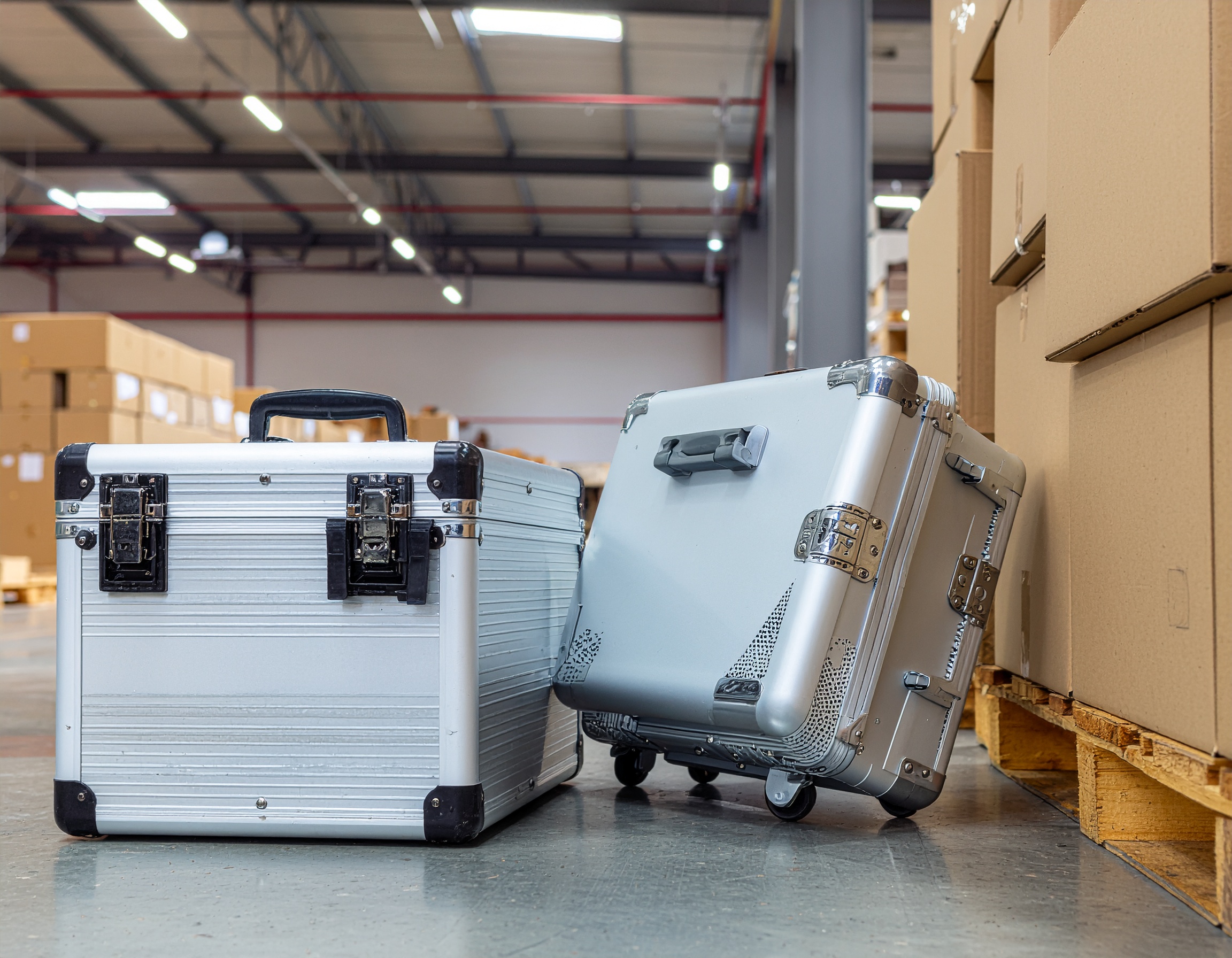
A flight case represents the premium tier of protective transport containers. Originally designed for airline cargo holds, these cases feature heavy-duty construction with reinforced corners, edge protection, and shock-absorbing materials. Flight cases typically incorporate aluminum or composite panels bonded to wooden frames, creating an exceptionally rigid structure.
These cases include industrial-grade hardware such as butterfly latches, recessed handles, and ball corners. The interior foam padding is often custom-cut to match the exact dimensions of the equipment being transported. Flight cases meet or exceed airline shipping standards, making them ideal for equipment that travels frequently by air. Their robust construction handles the most demanding transportation scenarios, from loading dock impacts to extreme weather conditions.
Road cases offer a more economical alternative while still providing substantial protection. These cases feature similar construction principles to flight cases but use lighter materials and simplified hardware. Road cases typically rely on plywood construction with protective corners and standard latches.
The primary advantage of road cases lies in their balance between protection and affordability. They handle ground transportation effectively and withstand typical wear from loading, unloading, and vehicle movement. Many touring musicians and regional event companies prefer road cases for equipment that travels primarily by truck or van. While not certified for airline cargo, road cases deliver reliable protection for most ground-based transportation needs.
Flight cases use premium materials including marine-grade plywood, aluminum extrusions, and aircraft-grade hardware. Road cases employ standard plywood and basic protective components. This material difference directly impacts durability and weight capacity.
Road cases weigh less than flight cases due to lighter construction materials. This weight advantage matters for equipment that requires frequent manual handling. However, flight cases distribute weight better and include ergonomic features for easier transport of heavy equipment.
Flight cases command higher prices due to superior materials and construction standards. Road cases provide budget-friendly protection for businesses with limited capital or equipment that doesn’t require maximum protection levels.
Flight cases withstand extreme conditions, including airline baggage handling, forklift operations, and stacking heavy loads. Road cases handle typical ground transportation scenarios but may not survive airline cargo systems or extreme impact situations.
Both case types allow interior customization, but flight cases typically offer more sophisticated foam solutions and precise equipment fitment. Canadian packaging companies can help specify the right customization level based on equipment value and fragility.
Professional packaging suppliers bring expertise that eliminates guesswork from case selection. They analyze transportation methods, frequency of moves, equipment value, and handling conditions. This assessment reveals which case type delivers optimal protection without unnecessary expense.
Packaging companies maintain relationships with multiple manufacturers, providing access to various case styles and price points. They understand industry-specific requirements and recommend solutions based on real-world experience. For example, medical equipment might require specific interior configurations that standard cases don’t accommodate.
Expert packaging suppliers also consider long-term costs beyond the initial purchase price. A flight case might cost more upfront, but it prevents equipment damage that would exceed the price difference. Conversely, road cases might suffice for equipment with lower replacement costs or limited transportation exposure.
Establishing a relationship with packaging companies creates ongoing value beyond single purchases. These partnerships enable businesses to access technical support, replacement parts, and case repairs when needed. Packaging suppliers track client equipment inventories and proactively suggest protective solutions as needs evolve.
A dedicated packaging partner understands your industry challenges and equipment vulnerabilities. They stay current with material innovations and construction techniques that improve protection while reducing costs. This knowledge helps businesses make informed decisions about case investments and replacement schedules.
Long-term packaging partnerships also provide flexibility for growing businesses. As equipment inventories expand, packaging suppliers can scale solutions efficiently. They offer volume pricing, custom branding options, and standardized case specifications that simplify logistics across multiple locations.
Also Read:
How Product QR Codes Transform Modern Packaging
Why Drop Testing Matters for Long-Lasting Packaging
Holiday Pattern Packaging Ideas That Make Consumer Goods Stand Out
Choosing between flight cases and road cases doesn’t have to be complicated. Working with experienced packaging suppliers ensures your equipment receives appropriate protection based on actual transportation conditions and budget realities. The right partner evaluates your specific needs and recommends solutions that balance protection, cost, and practicality.
Coleman Containers has served Canadian businesses since 1966 as one of the leading packaging companies in Canada. We provide corrugated, foam, and fibre paper packaging supplies across diverse industries. Our ISO 9001 certification since 1998 demonstrates our quality commitment. Whether you need custom protective packaging, sustainable solutions, or just-in-time delivery, our customer-centric approach ensures your equipment travels safely. Contact Coleman Containers today to discuss protective packaging solutions tailored to your transportation needs.
Get Free Estimate!